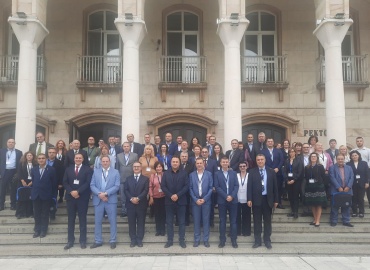

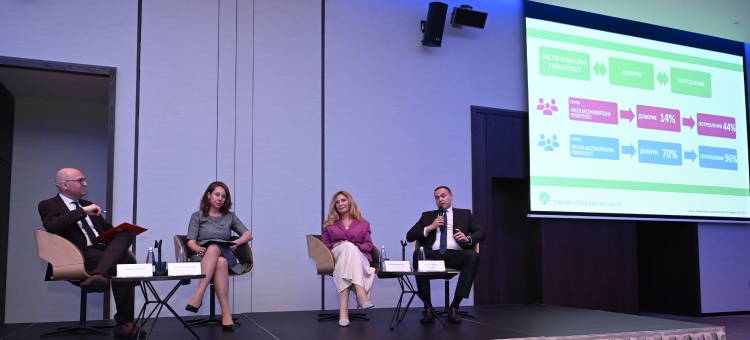
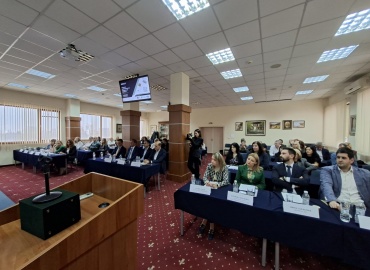
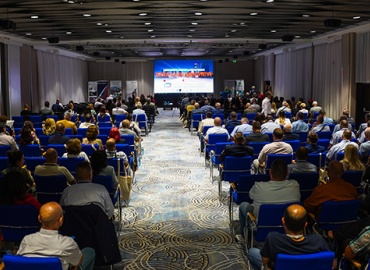
The Association of Bulgarian Insurers (ABZ) took part in the international conference “OECD/G20 Principles of Corporate Governance – Good Practices for Sustainable Growth”, organized by the Financial Supervision Commission (FSC). The event was held on 11 June 2025 in Sofia and brought together representatives of international organizations, regulators, professional associations, and the business community. The program focused on the global principles of corporate governance, the integration of ESG standards, and their role as a driver of sustainable investment.
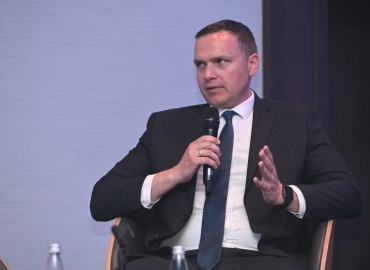
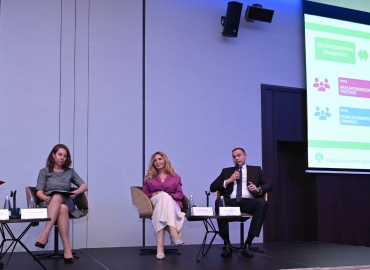
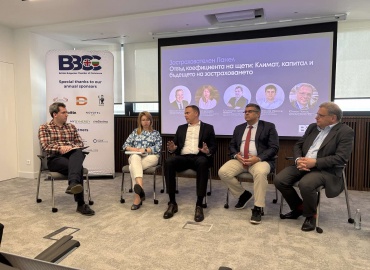
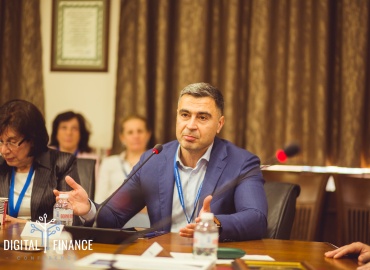
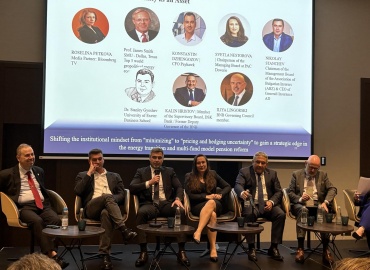
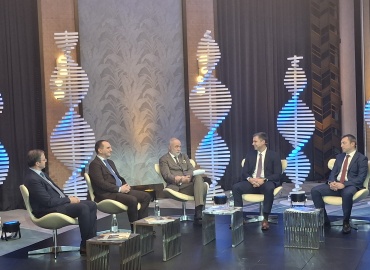
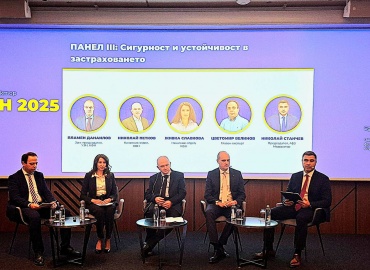
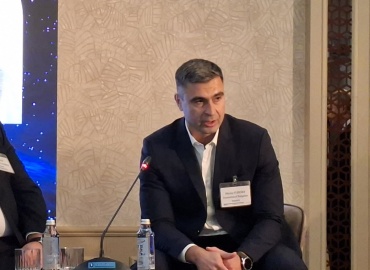
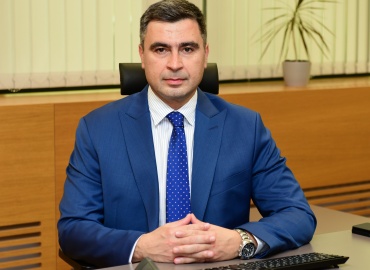
One of the key topics was the contribution of the insurance sector to sustainable development, discussed during the panel “Mechanisms for Ensuring the Sustainable Development of the Insurance Sector.” Panelists included Kristina Petkova, Director of the Insurance Supervision Directorate at the FSC; Veselin Angelov, ABZ Management Board Member and CEO of Allianz Bulgaria; and Rossitza Wartonick, Communications and Financial Literacy Advisor at ABZ.
The panelists agreed that systemic climate, social, and governance risks require a strategic response and an active role for the insurance sector — both through providing coverage for growing risks and channeling investments into sustainable projects. Petkova emphasized that the FSC views ESG requirements as an opportunity for sustainable growth rather than an administrative burden. She highlighted Bulgaria’s potential to be an active participant in this process and the FSC’s strategic role, through its vision, expertise, and dialogue with the sector, in ensuring a balanced and sustainable transition.
Angelov noted that the insurance sector is a key factor in the transition to a sustainable economy. “Insurers have the tools to respond to new realities — both by adapting coverage to the changing risk environment and by channeling long-term investments into green and socially responsible projects,” he said. He pointed out that ESG standards, when applied strategically, not only create requirements but also foster innovation in insurance. More companies are developing products tailored to sustainable assets — such as insurance for electric vehicles, photovoltaic installations, green buildings, and low-carbon businesses. According to Angelov, such products combine the need for financial protection with the promotion of sustainable behavior and create new value both for customers and for society. He also stressed that the Bulgarian insurance industry is showing growing commitment to sustainability principles, which requires a clear long-term strategy, consistent implementation of policies, and effective dialogue among all stakeholders.
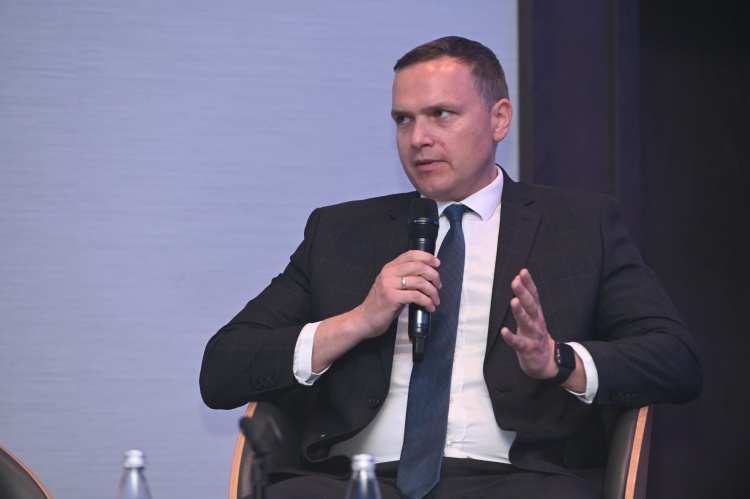
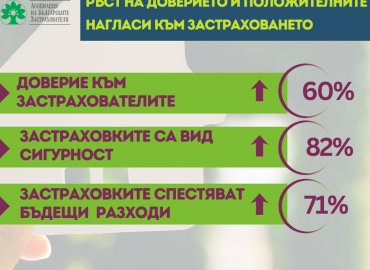
Wartonick highlighted insurance literacy as a key factor for sustainable development. She pointed out that higher consumer awareness leads to broader, more thoughtful, and long-term use of insurance products — particularly in areas with significant gaps such as property insurance. “ABZ research shows that in groups with high insurance literacy, insurance consumption reaches 96% and trust in the sector stands at 70%,” she underlined. Wartonick emphasized ABZ’s active role in carrying out communication and educational initiatives to raise consumer awareness.

Participants concluded that sustainable finance and ESG risk management are important not only for economic


-370x270-3.png "News image")











-370x270-1.png "News image")






































 (002)-370x270-2.jpg "News image")