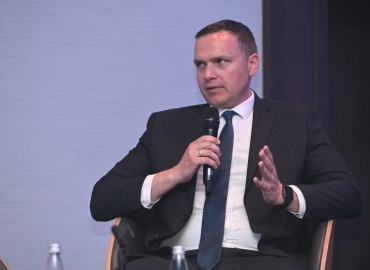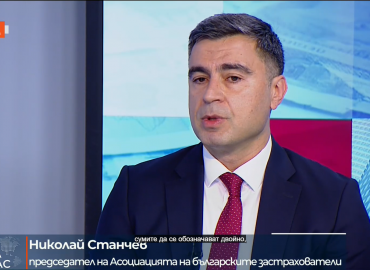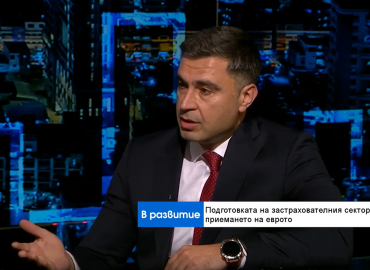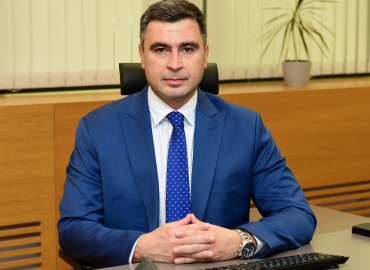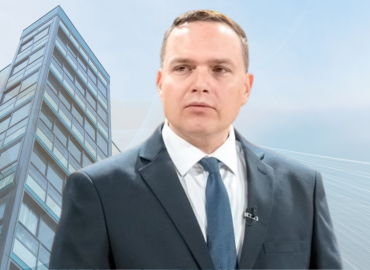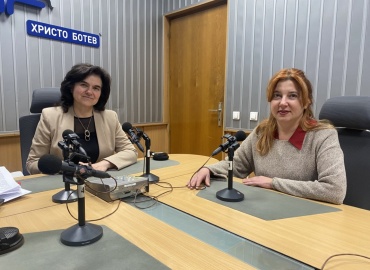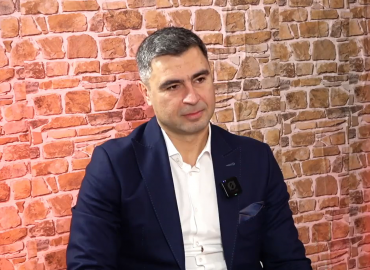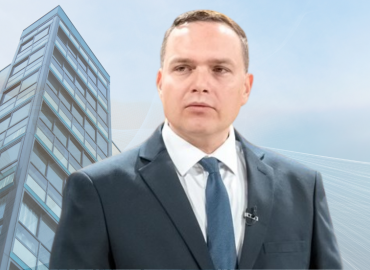

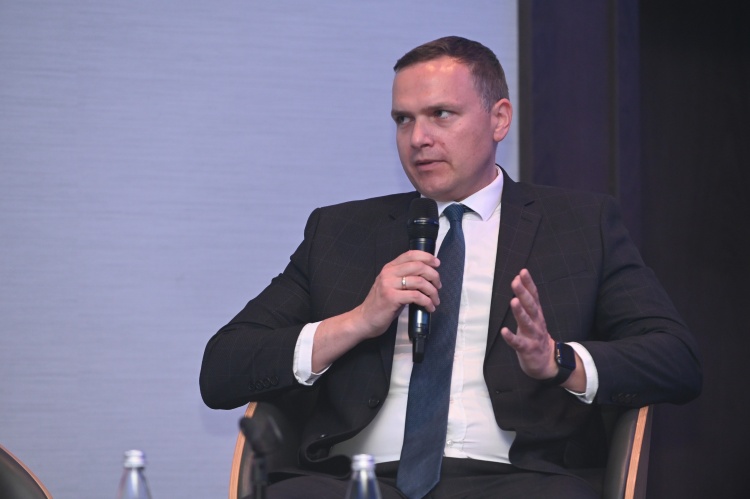
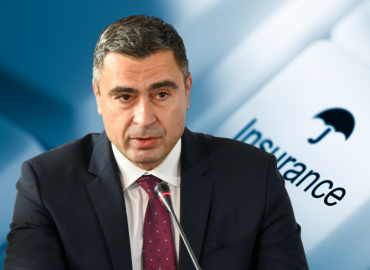
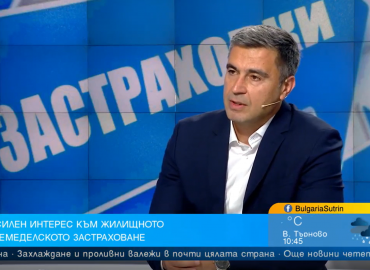
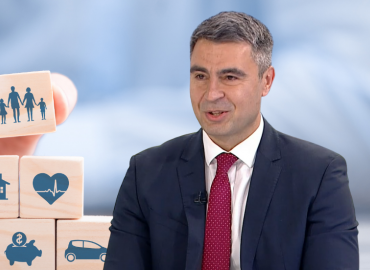
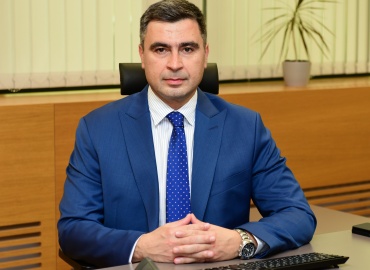
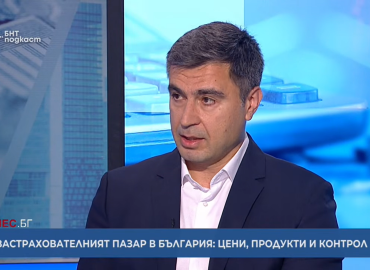
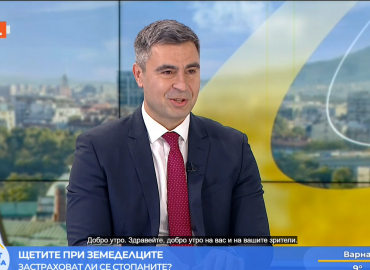
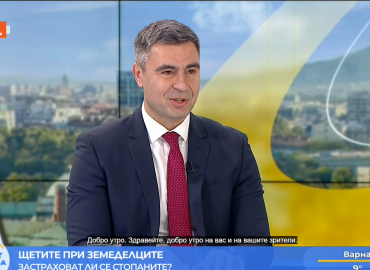
“Interest in property insurance is growing, driven by the increasing frequency of fires, floods, and other disasters. It is positive that over the years the share of insured properties in Bulgaria has risen—from around 2% fifteen years ago to about 10% today. But we are still far behind the roughly 50% levels that are standard in more developed countries,” said Veselin Angelov, ABZ Management Board Member and CEO of Allianz Bulgaria, in an interview for the program Horizont Before All on BNR. The conversation was prompted by the raging wildfires across the country and the protection available to insured property owners.
Angelov pointed out that Bulgaria is a high-risk country for fires, ranking second in Europe, with the number of incidents increasing over the years. Fires most often occur in mountainous regions such as the Rhodopes, Strandzha, Pirin, and Sakar, and “unfortunately, 90% of them are caused by human negligence or intervention.” He also reminded that Bulgaria is located in a seismic zone.
A problem, Angelov stressed, is that insured properties are concentrated mainly in big cities, while in small towns and villages the share is much lower—probably around 2–3%—and these are the most vulnerable. Reasons include the fact that such properties are often not primary residences and are not purchased with mortgage loans, which usually require insurance.
Fire is included in the basic coverage of property insurance policies, so purchasing a policy provides protection against this risk. Angelov urged people to think about protecting their homes and emphasized that insurance policies are fully affordable. Basic policies can cost as little as BGN 40 per year. Generally, the price depends on the covered risks and the insured sums. For example, for a two-bedroom apartment in Sofia’s Druzhba district valued at EUR 130,000, the annual premium for comprehensive coverage would be around BGN 200. “Prices will not change because of the euro adoption,” Angelov underlined.
The most common claims under property insurance relate to water and electrical damage, but these are not the most severe. “In the case of an earthquake or fire, the property can be completely destroyed. That is why it is essential for people to protect themselves against such financial risks, and the most effective way is to transfer that risk to an insurer,” he explained.
Commenting on the recent case of cars destroyed in an explosion in the resort of Sveti Vlas, Angelov clarified that the damage would be covered only if the owners had Casco insurance. “Motor Third-Party Liability does not apply in such cases, as it only covers damage caused to third parties in traffic accidents. Casco is usually taken out for new cars and is mandatory under leasing agreements. The market also offers more affordable Casco options with limited coverage, including fire,” he said.
Angelov noted that, judging by the penetration rates of different types of insurance, “it seems that we value our cars more than our homes—the market share of motor insurance in Bulgaria is similar to the European average.” He urged consumers to think carefully: which loss—of their home or their car—would cause greater financial harm? And if resources are limited, to prioritize insuring their most valuable asset.
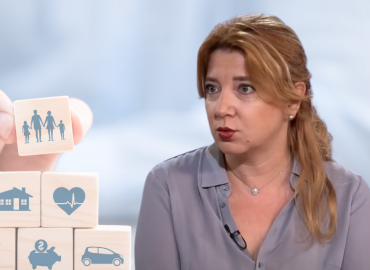
Other insurance products such as health and life insurance are also important forms of protection. Health insurance helps secure better treatment and, if necessary, additional care. “Life insurance provides a fixed sum to support us in the event of loss of working capacity due to an accident, such as a fire,” Angelov explained.
“The motivation to ensure insurance protection comes from being responsible—to ourselves and to our loved ones,” he emphasized, recommending that people consult with insurance professionals when considering their protection. “This will help them determine exactly what coverage they need and avoid unnecessary expenses.”
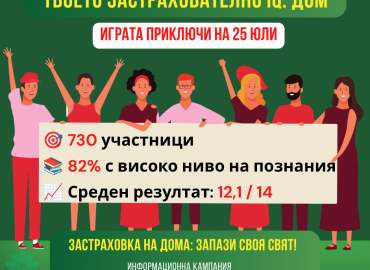
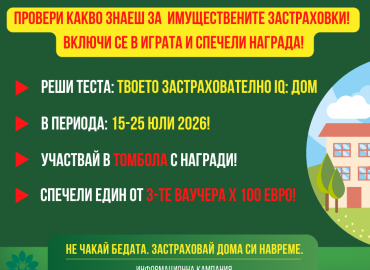
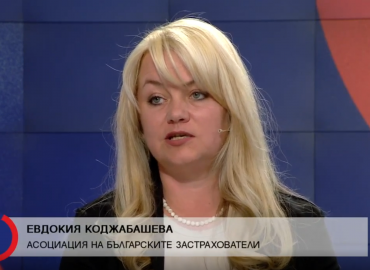
At the close of the program, host Silvia Velikova informed listeners about ABZ campaigns and encouraged them to use the helpful consumer materials available on the association’s website.

-370x270-3.png "News image")



-370x270-1.png "News image")


















 (002)-370x270-2.jpg "News image")