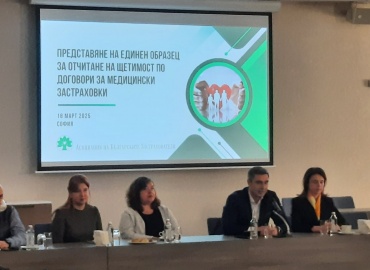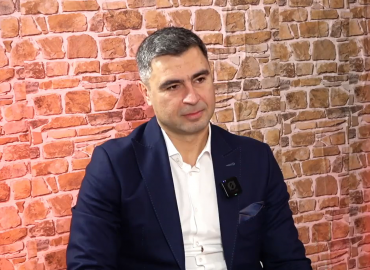


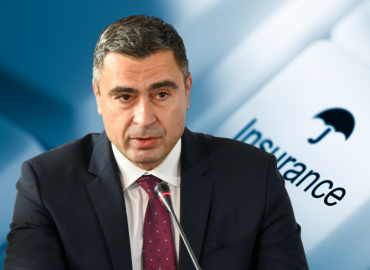
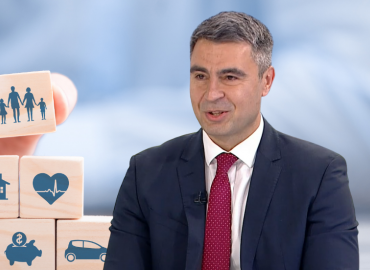
“The pandemic reshaped our perception of access to healthcare. Today, more and more Bulgarians seek not just treatment, but security, speed, and choice. And all this comes with one solution – supplementary health insurance,” said Ivana Dimova, ABZ Management Board Member and CEO of UNIQA, in an interview for ECONOMIC.BG. Data from the Financial Supervision Commission (FSC) confirm this trend: in recent years, Bulgaria’s voluntary health insurance market has been growing steadily at an annual rate of 15–20%. According to Dimova, the main driver is the increased health awareness after COVID-19 and people’s desire to have control over their access to quality medical care. Health insurance is no longer a luxury or an optional extra – it is part of planned personal and family protection. Consumers are looking for prevention, flexibility, and tailored solutions, while insurers are racing to respond with new digital products.
Consumer behavior has changed – permanently
Before the pandemic, health insurance was often purchased in reaction to an existing health problem. Today, Bulgarians are increasingly approaching it proactively, seeking packages that cover preventive check-ups, lab tests, and specialist consultations rather than waiting for symptoms to appear. This change is especially visible among younger generations. Gen Z, being digital and active, expects flexibility, transparency, and instant access through mobile apps. For them, health is an investment, not just a reaction to illness. This is already reshaping the design of health insurance products.
Employers as drivers of change
Large companies are increasingly using health insurance as a key tool for retaining and motivating staff. Beyond standard packages, employers are now offering personalized programs that include psychological support, sports vouchers, online consultations, and even international coverage. In sectors like IT, finance, and pharmaceuticals, health policies have become the norm rather than a bonus, and this inevitably fuels demand among individual clients as well.
The digital future is already here
A major shift is the full digitalization of health insurance – from policy issuance to service use. More insurers now offer digital health cards accessible via smartphone, automatic appointment booking through mobile apps, and telemedicine consultations. The next step is integrating with electronic health records and the NHIF platforms to enable seamless data transfer and better coordination of patient care.
Catching up with Europe
In countries like Germany, the Netherlands, and France, supplementary health insurance is deeply embedded in the system – widely used, often employer-subsidized, and part of the cultural approach to health. Bulgaria still lags behind, but the outlook is positive thanks to rising demand, digital innovation, and people’s growing desire for alternatives to the overstretched public system.
After COVID-19, Bulgarians have rediscovered health insurance not just as a service, but as a tool for freedom and control. While trust in the public healthcare system remains inconsistent, the demand for additional security will continue to grow – and with it, the need for more accessible, transparent, and tech-driven health insurance products.




-370x270-3.png "News image")









-370x270-1.png "News image")












































 (002)-370x270-2.jpg "News image")