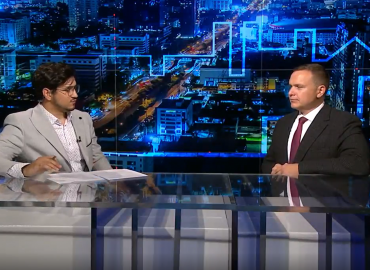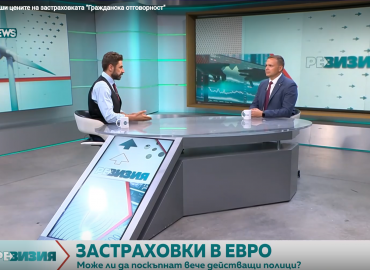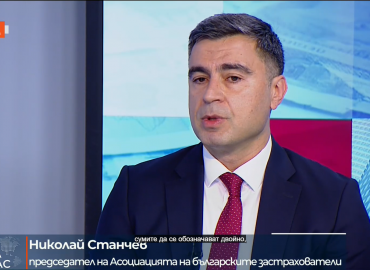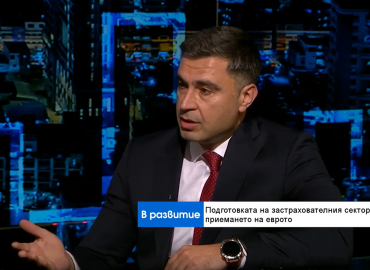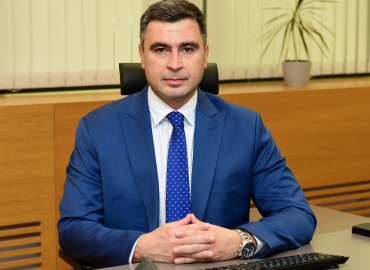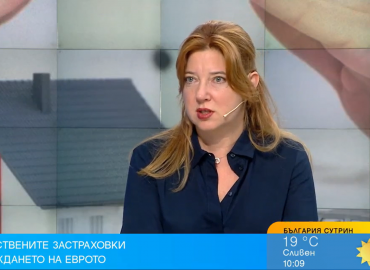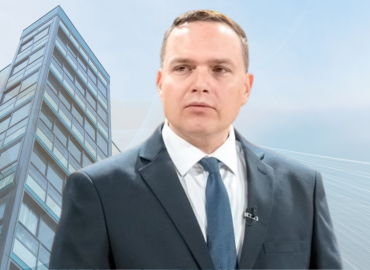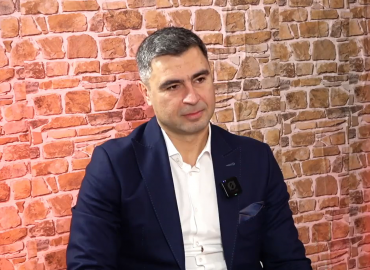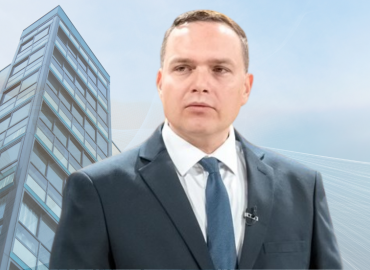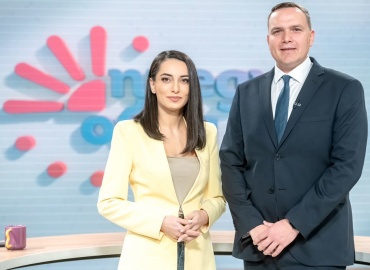

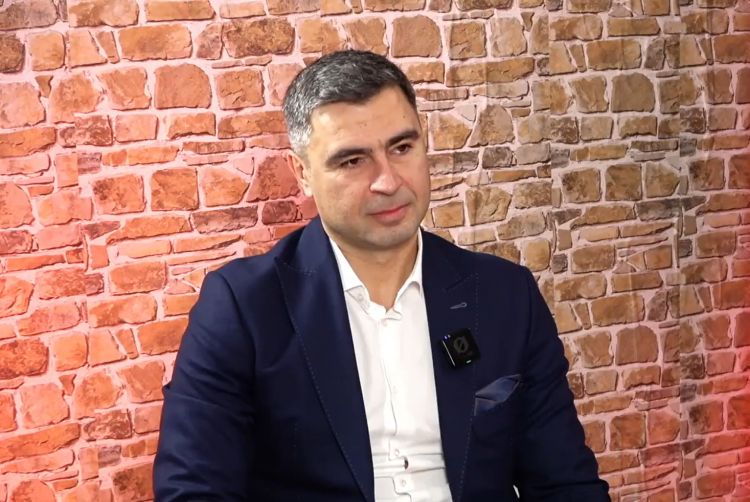
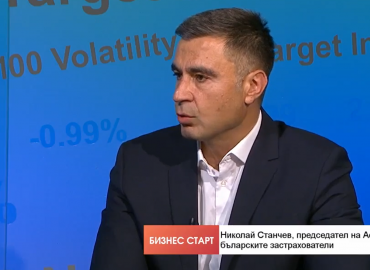
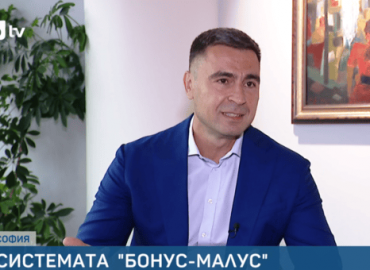
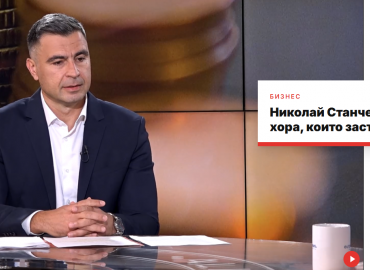
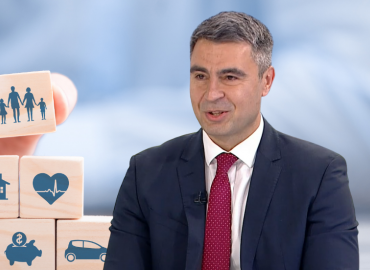
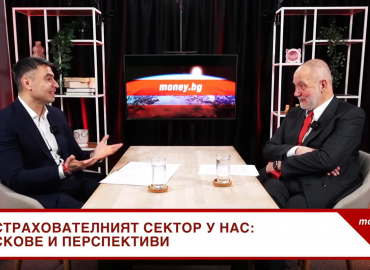
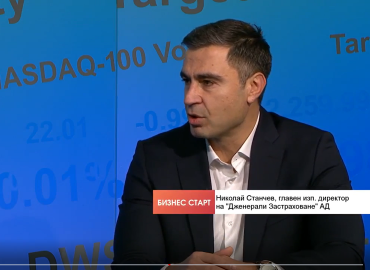
The main trends and prospects of the Bulgarian insurance market were outlined by Nikolay Stanchev, Chairperson of the Managing Board of the Association of Bulgarian Insurers (ABZ) and CEO of Generali Bulgaria, in an in-depth interview for the program Money.bg on TV Bulgaria ON AIR, broadcast on January 25, 2025.
He highlighted that in recent years the market has been developing steadily – in 2023 it grew by 17% compared to the previous year, and in the first half of 2024 it reported a 12% year-on-year increase. Life insurance maintained a solid growth rate of 9% for the first six months of 2024. Although its share in the total market remains relatively low, this points to significant potential for future development.
General insurance grew by 13%, with motor insurance retaining its dominant share. Data for 2024 showed a notable 16% increase in motor hull (Casco) insurance, driven mainly by the rising value of vehicles, which directly leads to higher premiums without changes in tariff numbers. According to Stanchev, this trend is visible across all Central and Eastern European markets. Meanwhile, premiums for Motor Third Party Liability (MTPL) in Bulgaria have increased at a much lower pace than inflation, which means prices remain relatively affordable. He noted that the planned introduction of a bonus-malus system, linked to the new Insurance Code currently before Parliament, would offer a fairer, risk-based approach to MTPL pricing.
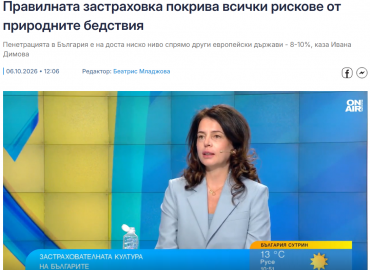
Stanchev drew attention to the very low share of insured homes in Bulgaria—below 10%, despite the country’s high exposure to natural disasters. Most property policies are taken out only in relation to mortgage requirements, with far fewer purchased voluntarily. Yet the cost of property insurance is highly accessible, averaging between BGN 70 and 140 per year. The persistence of certain myths—such as “nothing bad will happen to me,” or the expectation that the state will cover disaster losses—remains a major barrier. In reality, state aid is limited (typically BGN 1,000–2,000) and insufficient to restore a damaged home.
Consumer hesitation is also fueled by the widespread but false belief that insurers “do not pay.” In fact, refusals are very rare, with the leading cause being claims submitted for risks not covered by the policy. “To avoid such situations, people should carefully check the coverage of the policy before buying. The real needs for protection—not just the price—must guide the choice. Lower premiums generally mean more limited coverage,” Stanchev advised. He emphasized that clients can always rely on insurance experts for guidance on policy terms and claims procedures.
“Increasing the share of insured property in every segment—households, corporate assets, SMEs, agricultural insurance—is among the top priorities of ABZ. We are developing initiatives in this direction, but a structured state policy is also needed to address the problem effectively, especially in the context of climate change and the rising frequency of natural disasters,” he underlined. “The insurance sector stands ready to support such policies. Insurance is the most effective method of protection against risks.”


-370x270-3.png "News image")




-370x270-1.png "News image")





















 (002)-370x270-2.jpg "News image")