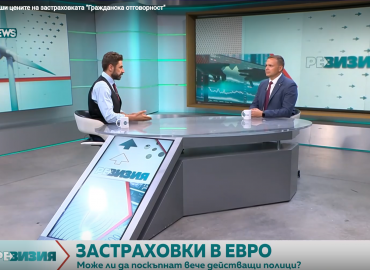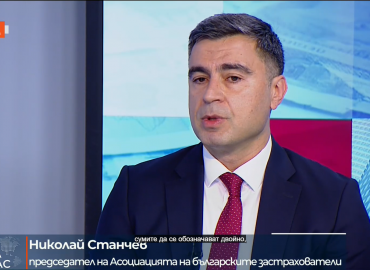

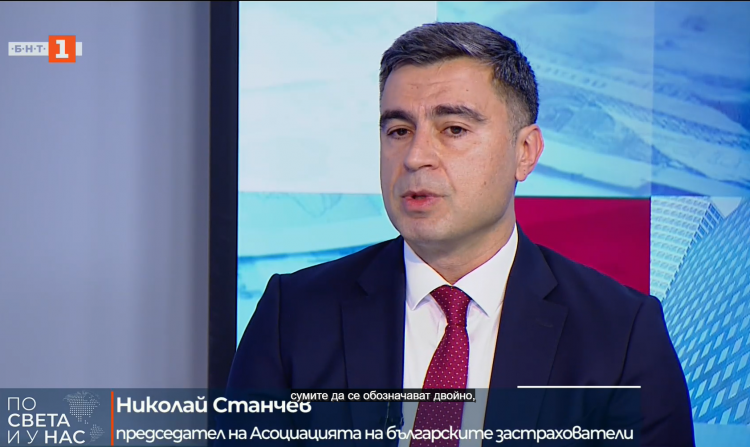
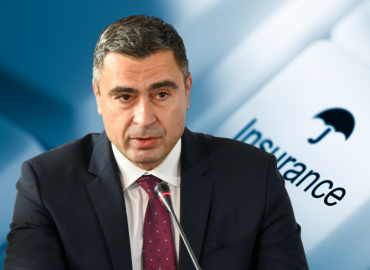
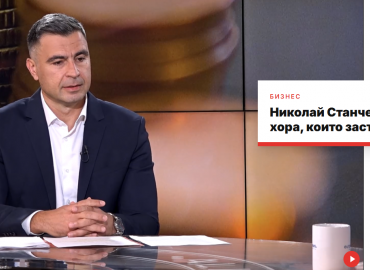
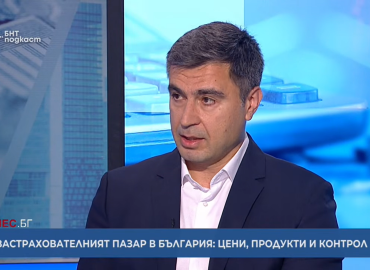
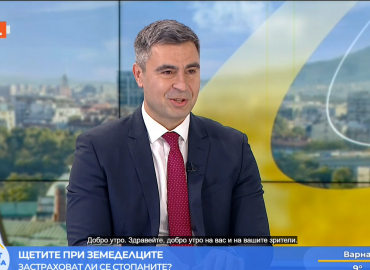
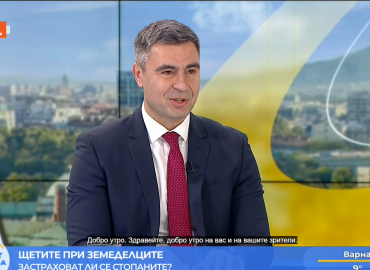
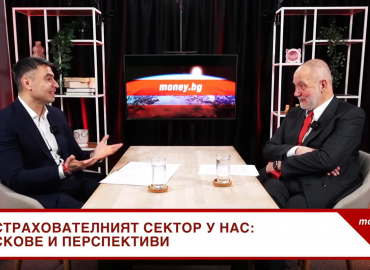
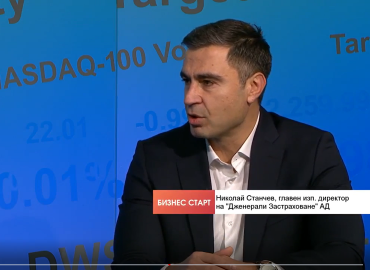
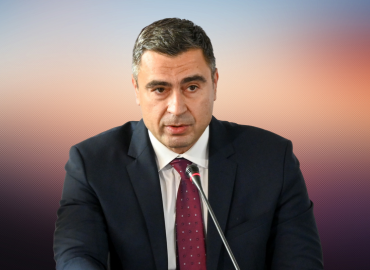
Nikolay Stanchev, Chairperson of the Association of Bulgarian Insurers (ABZ), in an interview for the program Business.BG and the News on BNT, 4 June 2025, emphasized that insurers are fully prepared for the introduction of the euro and are fully committed to ensuring that the process runs smoothly and calmly for consumers.
According to Stanchev, the adoption of the euro is a prerequisite for improving the welfare of society, but it depends on Bulgaria as a country to what extent it will benefit from the advantages of being part of the euro area. He outlined the benefits of euro adoption – reduced transaction costs, more affordable credit, better integration with European markets, and the potential to attract more foreign investment.
The ABZ Chairperson underlined that the months between the Council decision and the official adoption of the euro are especially important, since this is when the dual display of prices begins. The purpose of this measure is to guarantee transparency, easy comparability of prices, and to help citizens adapt to the new currency.
“During this period, it is particularly important to inform citizens through various means and campaigns about every aspect of the euro adoption process, so that they are calm, confident, and know what to expect,” commented Nikolay Stanchev. ABZ is already actively providing information — both on its website and on the websites of member companies — regarding the euro introduction and its implications for insurance services.
Stanchev explained that during the dual display period insurers will show in both leva and euro all amounts under insurance contracts, including installment payments and charges for additional services, if applicable. Taxes, fees, and contributions to the Guarantee Fund, however, will not be displayed in dual currency, as this is not necessary for consumers, who only need to see the final amount due. Some insurers have already voluntarily introduced dual display ahead of the legal requirement, thus giving clients more time to adapt.
He stressed that insurance prices will not increase as a result of euro adoption: “Speculation has no place in insurance — this is a business built on stability and trust,” he said, pointing out that insurance is one of the most strongly regulated sectors of the Bulgarian economy. By way of example, he explained that any change in premiums for the compulsory motor third-party liability insurance requires a detailed actuarial report, which can be requested by the regulator at any time. The transition to the euro cannot serve as a legitimate reason for price changes.
Consumers will not need to take any action regarding their existing insurance contracts. The introduction of the euro does not affect their validity — the contracts remain in force under the same terms, with the only difference being that amounts will be recalculated and displayed in euro instead of leva. This conversion will happen automatically, without the need for new agreements or additional payments.
Beyond the euro topic, Stanchev also commented on other important issues for the sector, including the upcoming adoption of a new Insurance Code. Part of the changes relate to the long-awaited bonus-malus system for motor third-party liability insurance, which would allow more accurate pricing based on each driver’s risk profile. He clarified: “There should be no confusion — if premiums change, it will be because of the introduction of the bonus-malus system, not because of the euro.”
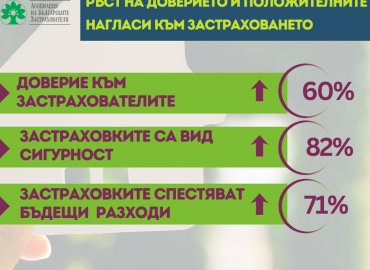
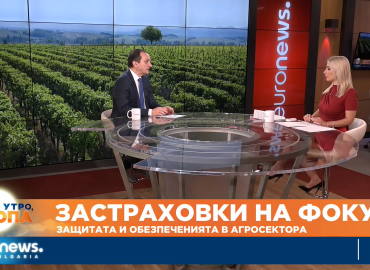
A serious problem, he noted, is the low insurance penetration in Bulgaria, especially in property and agricultural insurance, where coverage rates vary between 10 and 15%. “This is not only a problem for insurers, but for society and the state as a whole, because it leaves a massive protection gap. Uninsured households and businesses must bear recovery costs themselves, and government assistance is often minimal and insufficient,” explained Stanchev. “Insurance is the most effective way to protect our lives, health, and property.”
According to him, tackling the protection gap requires coordinated efforts between insurers, the state, and industry associations, as well as a mix of measures such as public information campaigns, tax incentives, and in some cases the introduction of mandatory insurance for specific risks.





-370x270-3.png "News image")









-370x270-1.png "News image")















































 (002)-370x270-2.jpg "News image")