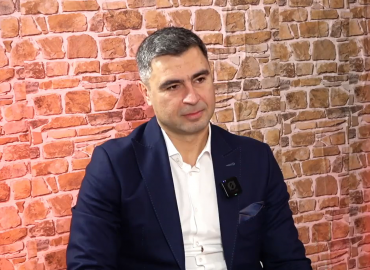

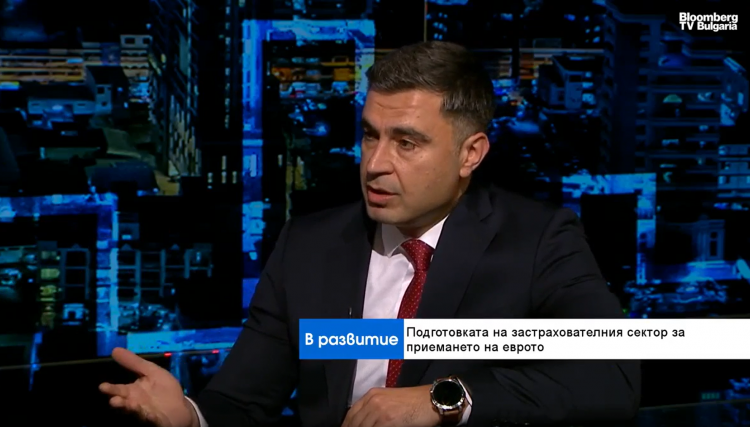
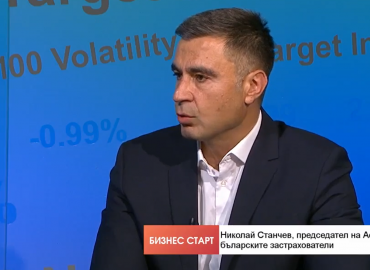
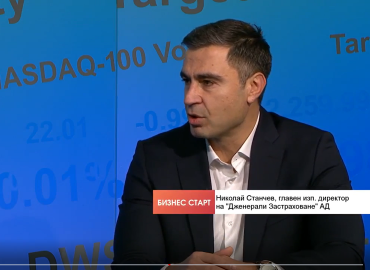
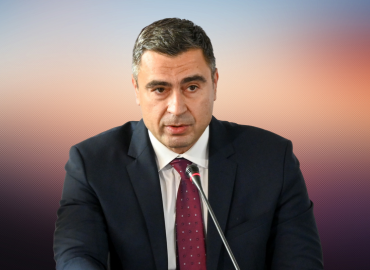
Nikolay Stanchev, Chairperson of the Association of Bulgarian Insurers (ABZ), in an interview for the program In Development on Bloomberg TV Bulgaria, aired on 4 June 2025, emphasized that the Bulgarian insurance sector is fully prepared for the upcoming euro adoption, effective 1 January 2026. Preparations have long been underway and include significant adjustments to IT systems, internal processes, and active participation in drafting the legislative framework for euro introduction. “All our members are ready for the transition,” he said.
One of the key steps to facilitate consumer adaptation is the introduction of mandatory dual price display — in both leva and euro. This period starts one month after the Council decision and lasts for 12 months after the official euro adoption date. During this time, insurers will show in both currencies all amounts under insurance contracts, installments, and prices of additional services (if any). The aim is to guarantee transparency, comparability, and consumer confidence. Some insurers have already voluntarily introduced dual display, even before it became a legal requirement.
Stanchev stressed that no price increases are expected as a result of euro adoption: “We are perhaps the most regulated sector of the economy. Even today, before joining the euro area, we already have very strict procedures for changing the prices of our products. Insurance is a business built on trust and stability, and no company would risk its reputation with reckless actions.”
He also highlighted the benefits of euro adoption — reduced transaction costs, more affordable credit, better integration with European markets, and the potential to attract more foreign investment.
Market Trends
Commenting on sector trends, Stanchev pointed out that motor insurance continues to dominate, accounting for more than 70% of the market. This structure is largely due to the mandatory nature of Motor Third-Party Liability insurance. Premium income from Motor Casco rose significantly in 2024, driven by the renewal of the car fleet and other factors.
At the same time, property insurance penetration remains low, reflecting the fact that households and small businesses often do not insure their properties. Only about 10% of homes and 15% of farmland in Bulgaria are insured. Stanchev warned that this is a serious problem: in the event of a disaster, uninsured owners must bear recovery costs themselves or rely on limited state aid.
In agricultural insurance, positive developments are expected in 2025 due to the introduction of a new EU co-financed scheme subsidizing farmers’ insurance premiums. Interest in the scheme is high, and significant growth in this line of business is anticipated.
Health Insurance and Consumer Awareness
Health insurance also shows high growth potential. Demand is increasing, and employees now expect it as part of their social benefits packages. However, the sector faces challenges such as medical inflation, with the cost of healthcare services rising faster than overall inflation, which increases the price of health insurance and may affect employers’ decisions to provide it.
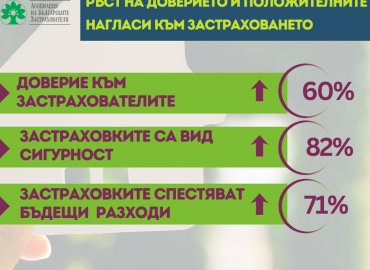
Stanchev stressed ABZ’s active role in promoting the benefits of insurance: “Larger-scale campaigns could be organized together with the state, because the state itself has an interest in people taking out more insurance. This is an effective way to protect people’s assets and health, and at the same time it gives much greater predictability for the state budget.”
He also noted the existing regional disparities: insurance services are most developed in the big cities — Sofia, Plovdiv, Varna, and Burgas.


-370x270-3.png "News image")






-370x270-1.png "News image")











































 (002)-370x270-2.jpg "News image")