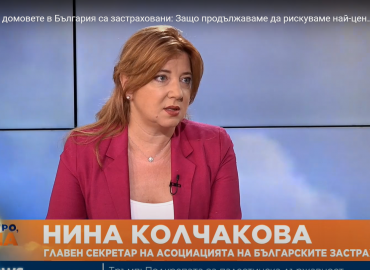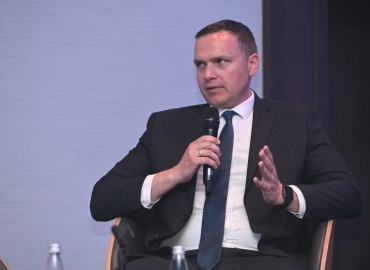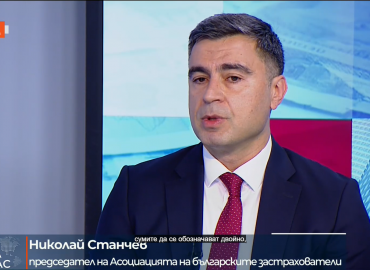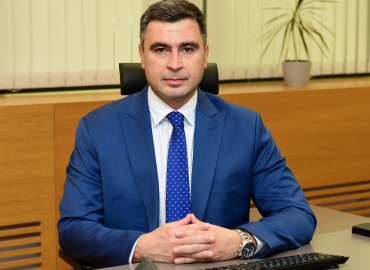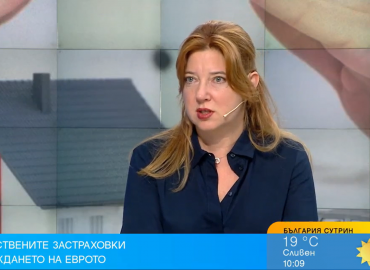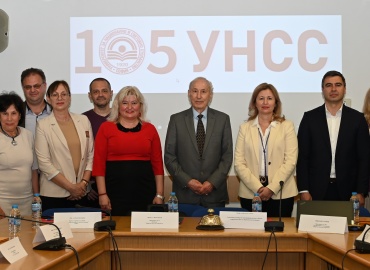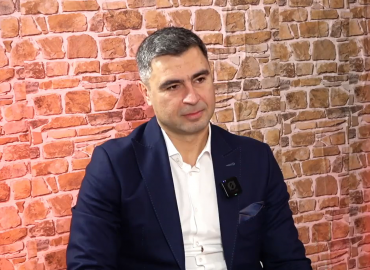


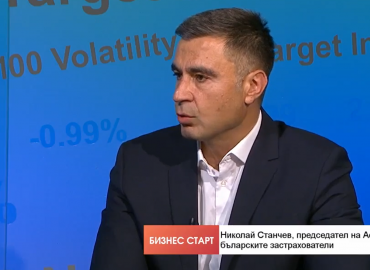
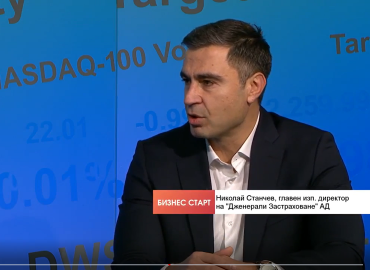
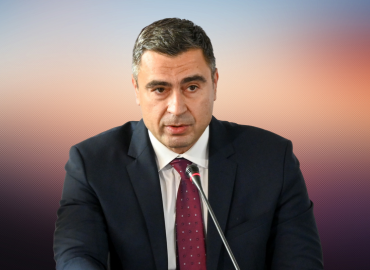
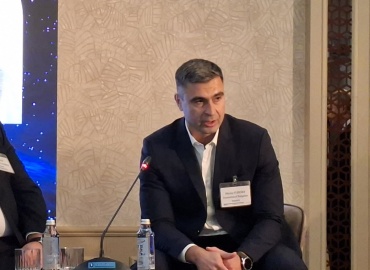
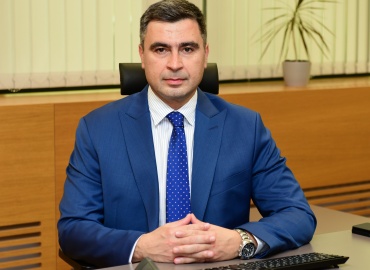
The insurance sector in Bulgaria is fully prepared for the introduction of the euro on 1 January 2026, said Nikolay Stanchev, Chair of the Management Board of the Association of Bulgarian Insurers (ABZ), in an interview for Bulgarian News Agency (BTA) on 24 May 2025. According to Stanchev, joining the eurozone will bring significant economic benefits – greater stability, lower financing costs, increased investment interest, and a higher credit rating for the country.
“The transition to the euro is a strategic and timely step that the insurance sector and the entire financial industry fully support. We have shared preparedness and commitment,” commented Stanchev. He recalled that the national associations representing the banking, insurance, pension, investment and business sectors had already expressed their strong support through a joint declaration.
Stanchev stressed that the adoption of the euro will not affect insurance prices nor change the conditions of existing policies. ABZ and its member companies are fully committed to ensuring that the transition is smooth, clear, and understandable for citizens and businesses, with sufficient information provided at every stage.
Alarmingly low share of insured homes
Only about 10% of homes in Bulgaria are insured, despite the fact that nearly 90% of Bulgarians (86% according to Eurostat) live in owner-occupied dwellings. Unfortunately, Bulgaria ranks last in Europe on this indicator, even compared to neighbouring countries with similar economic and social development such as Romania, Turkey, and Serbia.
This protection gap leads to serious consequences. In the event of a disaster or accident, most households and small businesses must bear the losses entirely on their own, as there is no one to compensate them. Usually, their hope lies with the state, but government aid provided in cases of severe events is limited and does not cover the actual damages. As a result, recovery is delayed, social tensions increase, and pressure on the state budget becomes more tangible.
Growing interest in property insurance – but from a very low base
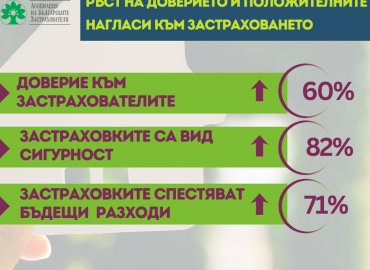
According to Stanchev, there is a positive trend: more and more people are beginning to consider protecting their property through insurance. However, starting from such a low base means it will take years to reach sustainable levels of coverage. ABZ actively encourages this process through information campaigns and educational materials, including its new guide “3 Key Questions When Choosing Home Insurance.”
Cars are insured more often than homes – but the loss of a home is far more serious
Motor insurance continues to dominate the Bulgarian market – both through the mandatory Motor Third Party Liability policy and voluntary CASCO insurance. Sector data shows that significantly more cars than homes are covered by voluntary insurance. Stanchev noted that this is the result of how people perceive risk – road accidents are more frequent and visible, making them more tangible for consumers. At the same time, he stressed that it is important to evaluate not only the likelihood of an event but also the severity of its consequences. “In many cases, the home is a household’s most valuable asset. It is therefore logical to provide it with the necessary protection,” Stanchev pointed out.
Home insurance – affordable and flexible
The average cost of property insurance in Bulgaria ranges between BGN 100 and 300 per year, depending on the type and location of the property and the chosen coverage. This equates to around BGN 10–20 per month – a sum within the means of most households.
Awareness – the key to real protection and satisfaction
Choosing an insurance policy should be an informed decision, based not only on price but primarily on real needs and an understanding of policy conditions. Dissatisfaction with insurance protection often arises not from the product itself but from unmet expectations – usually due to consumers not being sufficiently familiar with the coverage or having made an inappropriate choice for their needs. Stanchev emphasised that only when the terms are well understood, and the insurance is tailored to specific protection needs, can it fulfil its purpose – providing peace of mind and financial support.
Agricultural insurance with growth potential
Agriculture also suffers from insufficient insurance coverage – only about 20% of arable land is insured. However, this business line is seeing positive developments, driven by the newly introduced EU-funded scheme subsidising farmers’ insurance premiums. The scheme offers several advantages compared to previous programmes: up to 70% of premiums are covered, policies can be concluded in the autumn (thus covering winter risks), and smallholders can also benefit. Interest is already very high, and expectations are for record levels of penetration in agricultural insurance.


-370x270-3.png "News image")




-370x270-1.png "News image")






























 (002)-370x270-2.jpg "News image")