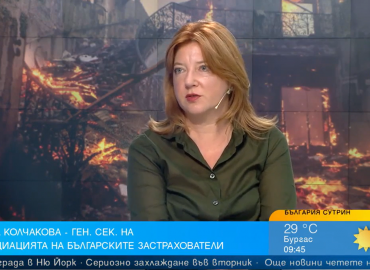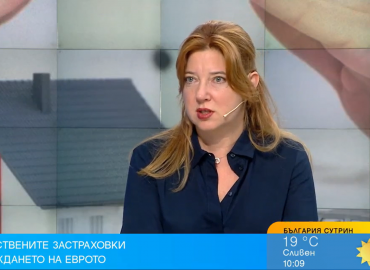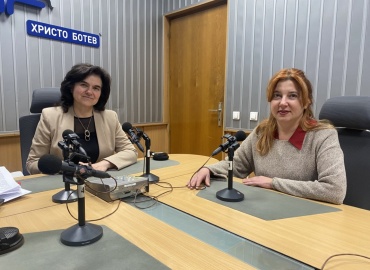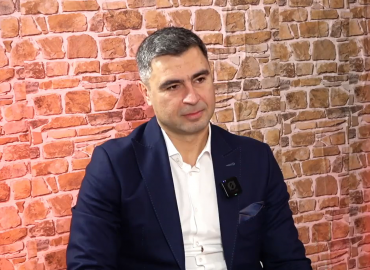

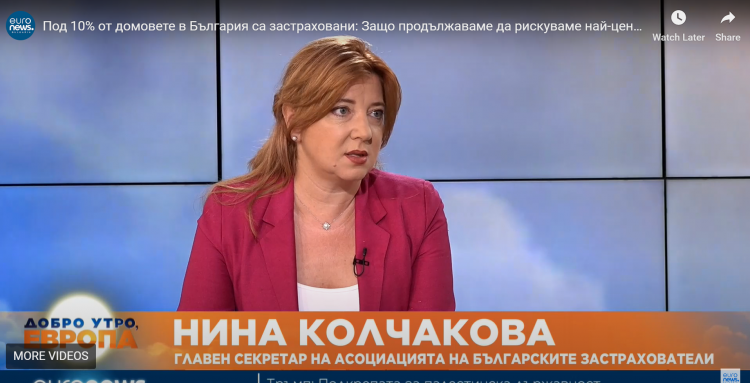
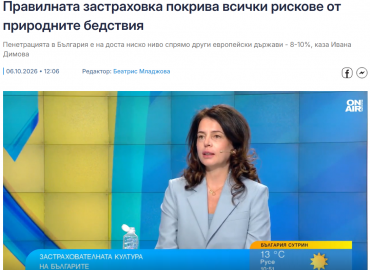
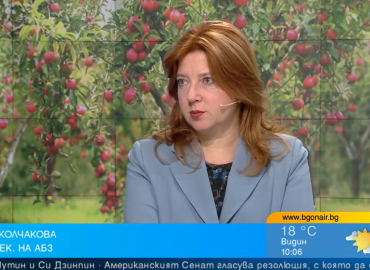
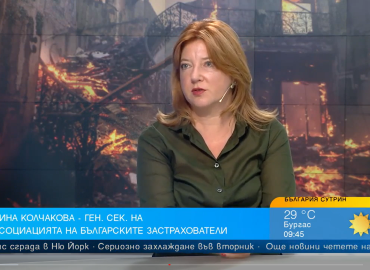
Despite the increasing frequency of fires and natural disasters, home insurance in Bulgaria remains extremely low—only about 10% of properties are insured. This places Bulgaria at the bottom of the European ranking in terms of insured properties, said Nina Kolchakova, Secretary General of the Association of Bulgarian Insurers (ABZ), in an interview for the morning program on Euronews Bulgaria. According to her, the main reason is the lack of a perceived need for such protection. A slow upward trend in insurance penetration can be observed, but progress is happening at a very slow pace.
There are significant differences in insurance coverage depending on the type of settlement. Most insured homes are in cities, driven mainly by the mortgage market, as banks require insurance for mortgaged properties. In small towns and villages, the share of insured homes is negligible. A key problem there is the lack of proper ownership documents. These are generally not required at the time of taking out insurance, but they must be presented when a claim is filed.
“Nearly 90% of Bulgarians live in their own homes, yet they do not insure them, even though for most people this is their most valuable asset. Paradoxically, cars are insured more often than homes. At least 30% of cars have comprehensive (‘Casco’) insurance, while fewer than 10% of homes are covered, even though losing your roof over your head would have far more devastating financial consequences for a household,” Kolchakova noted.
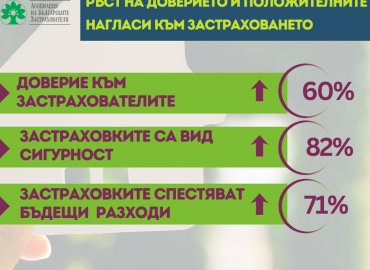
The main reason people avoid insurance is distrust—concerns that they will not receive compensation in the event of damage. “But the statistics tell a different story. Around 95% of claims are paid. The remaining 5% of refusals are usually due to the fact that the specific risk was not included in the policy,” Kolchakova emphasized.
Price is not a barrier either—a standard home insurance policy costs between BGN 10 and 20 per month. All property insurance policies include coverage for fire and natural disasters. Earthquake protection is often an optional add-on, but given Bulgaria’s seismic risk, including it in the policy is highly advisable. Other risks such as theft or third-party liability can also be added depending on the client’s needs. Coverage always applies to immovable property (the building itself), while movable property (furniture and household belongings) is insured under a separate sum, which may or may not be included in the chosen policy.
There is a major difference between potential state aid and insurance compensation, Kolchakova stressed. Compensation is intended to restore the insured to their financial position prior to the loss, i.e., to help them recover from the damages suffered. The size of the compensation depends on the terms of the policy; for example, in the case of a total loss, it will equal the insured sum specified in the contract.
One way to navigate the different market offers is through consultation with a broker. Insurance brokers work with multiple companies and can help clients choose the most suitable policy. It is particularly important for consumers to discuss their specific needs and expectations for home protection, as this ensures the right coverage and sums are selected.
Regarding agricultural insurance, Kolchakova noted that more and more farmers are seeking protection. Their concerns are mainly linked to the fact that insurers do not cover certain risks, such as early spring frost before April 20. The reason is that before this date such an event is not considered random—its occurrence is almost certain—and therefore no insurer can afford to underwrite it. Kolchakova shared that ABZ and the Ministry of Agriculture are in discussions to address these types of risks, such as early frost or drought, with possible solutions involving various forms of public-private partnerships.
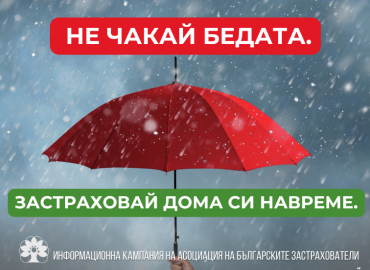
At the end of the interview, the Secretary General of ABZ made a clear appeal: “Don’t wait for the state – take out insurance in time and protect what matters most – your home.”


-370x270-3.png "News image")









-370x270-1.png "News image")






































 (002)-370x270-2.jpg "News image")