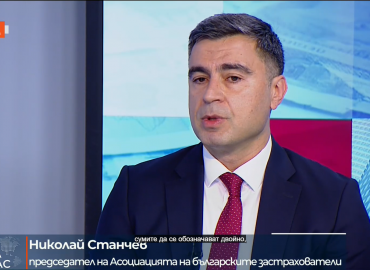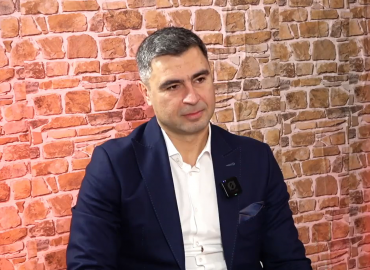


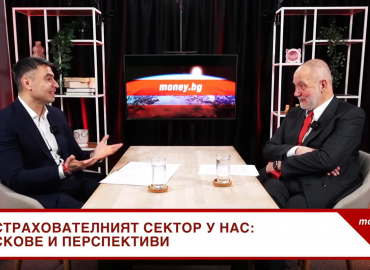
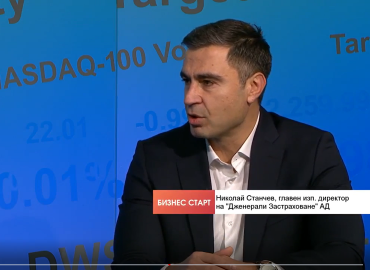
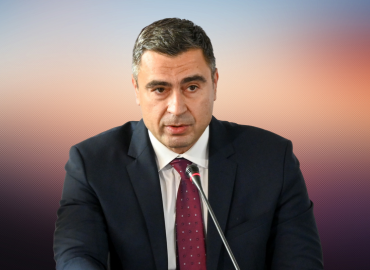
The insurance market in Bulgaria continues to maintain a stable pace of development and growth in 2025, with motor insurance remaining the main driver and health insurance continuing to develop most dynamically. This was stated by Nikolay Stanchev, Chairman of the Management Board of the Association of Bulgarian Insurers (ABZ), in an interview for Bulgarian New Agency (BTA).
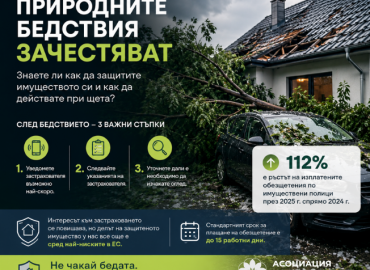
The data he presented outline the following market trends. The total volume of gross written premiums in general insurance exceeds BGN 1.5 billion, which is about 24% more compared to the same period in 2024. Part of this growth comes from policies concluded by Bulgarian companies in other EU member states under the freedom to provide services — mainly in motor third-party liability insurance. Motor insurance remains the key market driver. “Casco” (comprehensive motor) insurance premiums have risen by around 16%, maintaining a stable double-digit growth rate. Property insurance has grown by 9%. More notable activity is observed in agricultural insurance. The new premium co-financing scheme, which covers 70% of the insurance cost, has led to a rise in interest among farmers and can be regarded as a successful example of an effective public incentive. At the same time, the trend of more frequent natural disasters continues — mostly hailstorms and heavy rainfall — which are likely to affect the amount of claims during the year.
Life insurance also shows steady growth — about 11% year-on-year, with premiums reaching BGN 210 million. Nevertheless, the penetration in this segment remains relatively low.
Health insurance continues to develop most dynamically — with a 21% increase and written premiums totaling BGN 115 million as of March 2025. A significant part of this growth is attributed to rising prices of medical services.
The introduction of the euro will have positive effects for the insurance sector, consumers, and the economy as a whole.
“Transitioning to the euro means a more stable and predictable financial environment,” emphasized Stanchev, explaining that adopting the single currency will eliminate the additional currency risk on euro-denominated assets, which will free up capital and improve the solvency of insurers. Moreover, costs related to currency conversion and exchange will decrease, while financial flows between Bulgarian and European participants will become easier and more transparent. Technological preparations for the transition began several years ago, and the sector is ready for a smooth changeover and normal customer service after the introduction of the euro.
Additional Regulation Needed for Mandatory Insurance of Electric Scooters
The situation with scooters is complex for several reasons. First, there is still no regulated process for scooter registration, which is a prerequisite for concluding this type of insurance. Second, the legislator has stipulated that the insurance should be concluded under the same rules and requirements as motor third-party liability insurance. However, some of these requirements are not applicable to scooters — for example, the sticker and the green card, which, in our view, are unnecessary for scooter insurance purposes. It is also necessary to more clearly define how compliance and control will be carried out to ensure scooters are insured.
“We are in communication with the relevant institutions and the Financial Supervision Commission on all these issues, and after our discussions, we believe that the most optimal solutions will be found,” said Nikolay Stanchev.
Low Insurance Penetration in Property and Agricultural Insurance Poses Systemic Risk
Fewer than 10% of buildings in Bulgaria are insured, and probably fewer than 10% of cultivated agricultural areas. This creates significant deficits not only for households and businesses but also for the entire economy, including in the management of public finances. When damages are uninsured, they are borne either directly by affected individuals and enterprises or by the state — an inefficient and financially burdensome solution.
Stanchev noted that the problem is complex and addressing it requires joint efforts by insurers, the state, regulators, agricultural and employer organizations.
Insurance Prices Are Affected by Claims Frequency and Economic Factors
“The first group of factors relates to increasing claims frequency — for example, the growing number of natural disasters in property, motor, and agricultural insurance, the rise in road traffic accidents in motor insurance, or higher morbidity in health insurance,” said Stanchev. “The second group of factors is linked to the economic environment — general inflation, rising personnel costs, and the higher prices of goods and services. Increased costs of spare parts and repair services directly influence price dynamics in motor insurance, while rising medical service costs exert strong pressure on health insurance. If there is movement in any of these factors, it may be reflected in the prices of the corresponding insurance products,” added Nikolay Stanchev.





-370x270-3.png "News image")









-370x270-1.png "News image")











































 (002)-370x270-2.jpg "News image")