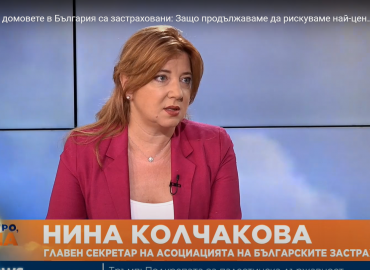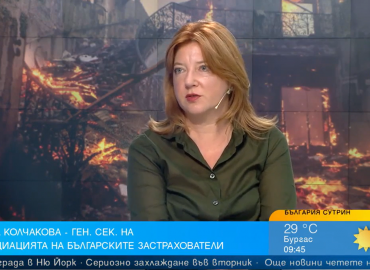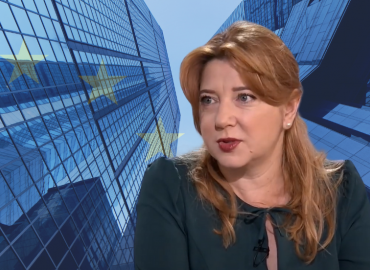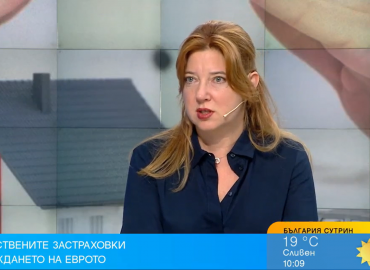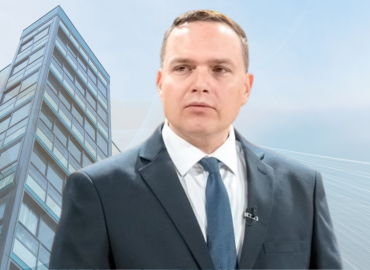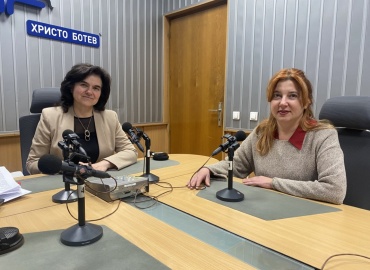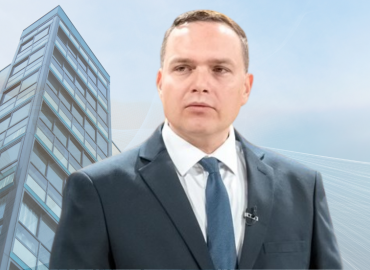

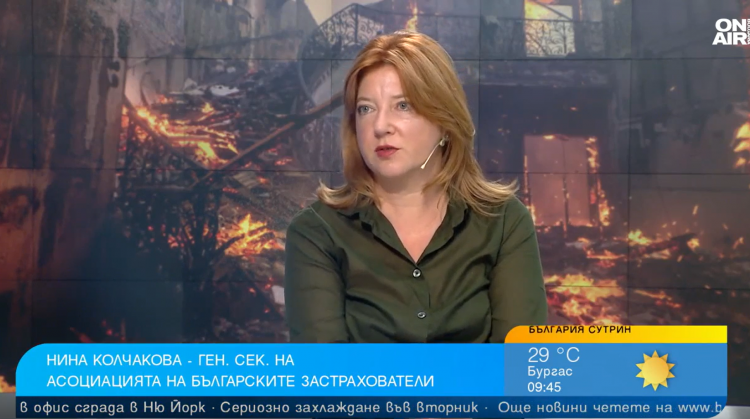
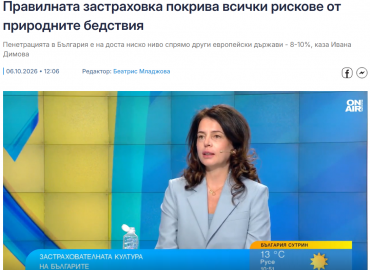
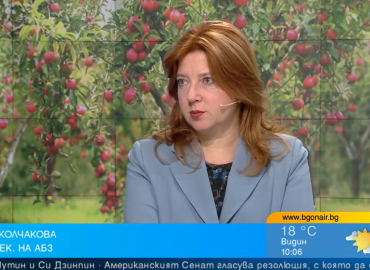
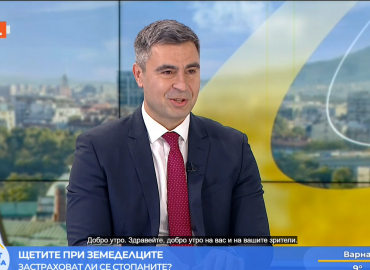
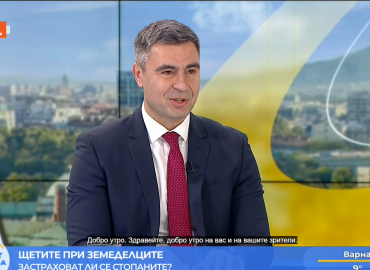
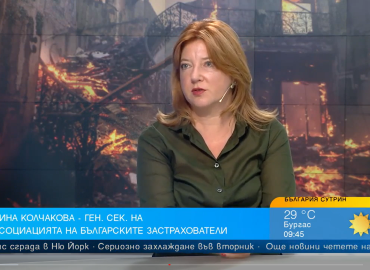
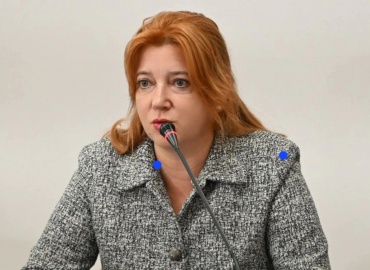
Only about 10% of real estate in Bulgaria is insured, despite the fact that climate change is increasingly exposing us to natural disasters and fires, said Nina Kolchakova, Secretary General of the Association of Bulgarian Insurers (ABZ), in an interview for the morning program Bulgaria Morning on Bulgaria ON AIR.
One of the main reasons for this unfavorable situation lies in persistent attitudes—people hope that nothing will happen to them personally, or they rely on the state for help. “But it is crucial to distinguish between temporary aid that might provide shelter for a short period and compensation that can actually restore losses. Only insurers can provide such compensation—they are the ones who organize solidarity within society,” Kolchakova explained.
Properties in small settlements remain uninsured
Home insurance is most common for urban properties, typically those purchased with a mortgage. In small towns and villages, properties are largely uninsured, often due to unresolved issues with ownership documents. “There is no difference whether it is a primary or vacation home, or a rural property. What matters is to check the terms of individual insurers in advance. Some may have specific requirements for holiday homes, such as regular occupancy, security systems, and other conditions,” Kolchakova noted.
Insurance is affordable—an informed choice is key
Kolchakova emphasized that home insurance policies in Bulgaria are among the cheapest in Europe. “On average, protecting a home could cost around BGN 100 per year. With an average salary of over BGN 2,000, every household should be able to afford such an amount,” she said. Prices depend on factors such as the property’s location and size, coverage, and the insured sums, which represent the maximum compensation payable for each risk. While the market offers a variety of products, consumers often choose based on price alone. However, “the cheapest policy usually means a low level of coverage, which may not meet the household’s actual needs,” Kolchakova warned.
Careful, informed selection prevents disappointment
“An insurance policy does not cover absolutely everything that might happen. It clearly lists the covered risks, sums insured, and other conditions,” she stressed. It is vital for consumers to discuss all aspects of protection with their insurer before signing, review the terms, and make adjustments if necessary. Otherwise, when a claim arises, they may be disappointed—either because the risk was not included or because the insured amount was insufficient.
For example, earthquake coverage may not be automatically included and must be added separately if desired. The same applies to risks such as theft or liability to third parties. Coverage always applies to immovable property (the building), while movable property (household belongings) requires a separate insured sum and may be optional under a given policy.
Most claims are due to water or electrical damage, which are relatively minor. However, “if a major event such as a fire or earthquake occurs, the household may lose its roof, and the cost of rebuilding is usually unaffordable. Home insurance is essential to ensure financial stability—but to be truly effective, coverage must be tailored to the consumer’s individual needs. For example, sums insured for core risks must be sufficient to rebuild the home entirely,” Kolchakova underlined.
Insurers comply with legal deadlines
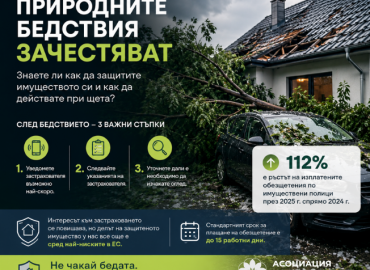
Claim handling deadlines are defined in the Insurance Code and strictly observed. For most insurance products, including home insurance, insurers are required to decide within 15 days of receiving all necessary documents related to a claim.
The need for a national policy on property insurance
Bulgaria is one of the countries where the vast majority of people own their homes. At the same time, it is the European country with the lowest share of insured properties, Kolchakova pointed out. Insurance penetration is low in other Balkan states as well—Greece, Romania, Turkey—but there governments have introduced measures to raise coverage, encouraging both citizens and businesses to transfer financial risk to insurers.
These measures vary: in Romania and Turkey, insurance against certain risks is mandatory; in Greece, consumers benefit from property tax relief if they purchase insurance, while the state provides no disaster aid to uninsured owners. Across Europe, governments are developing policies and mechanisms to address climate change challenges, focusing both on prevention and post-disaster recovery. Since insurers alone cannot shoulder the cost of reconstruction after large-scale disasters, more developed countries establish public-private partnership mechanisms. “It is time for Bulgaria to at least begin the discussion on how this challenge will be addressed,” emphasized the ABZ Secretary General.



-370x270-3.png "News image")






-370x270-1.png "News image")



























 (002)-370x270-2.jpg "News image")