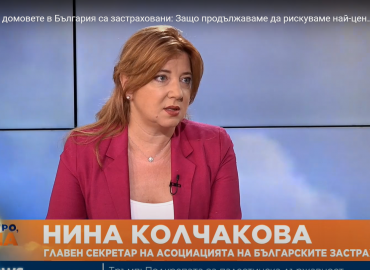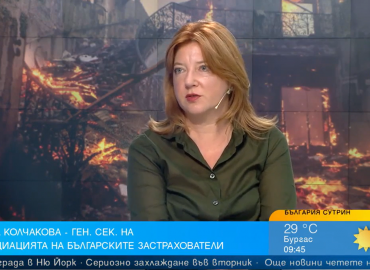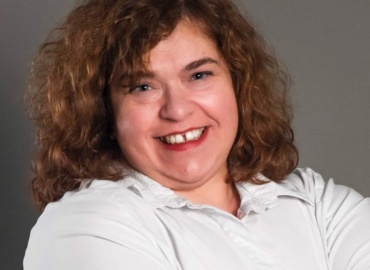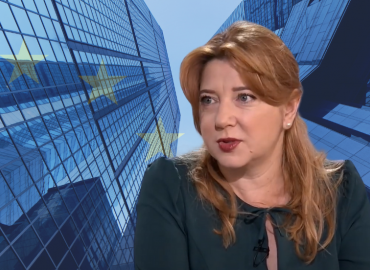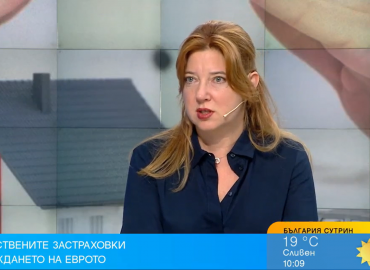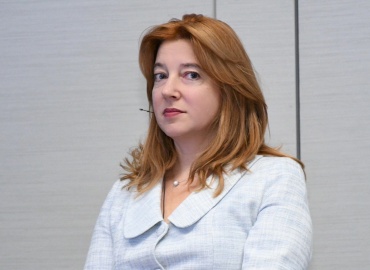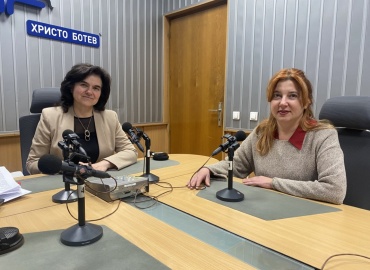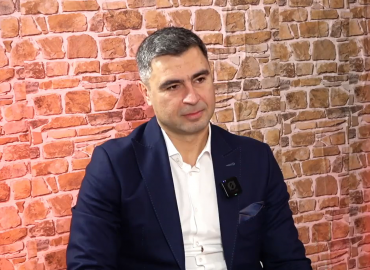

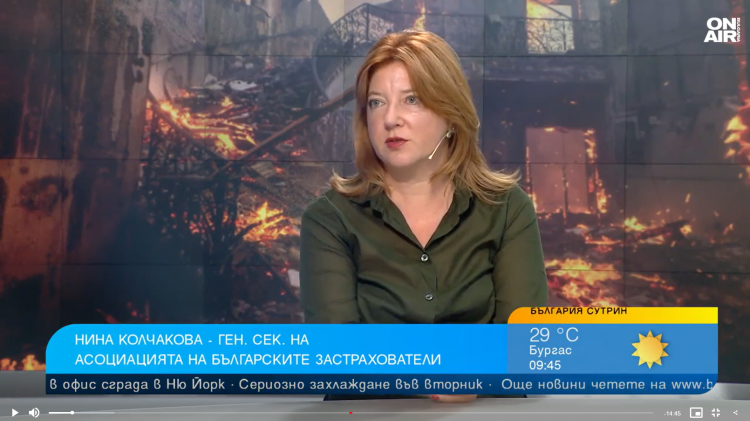
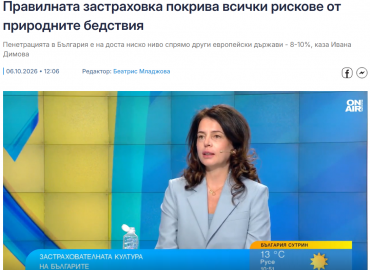
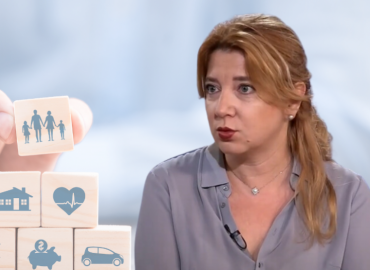
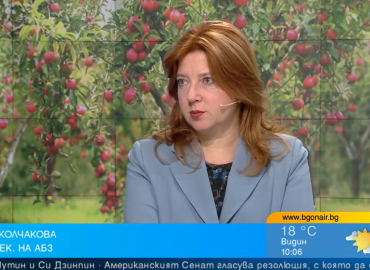
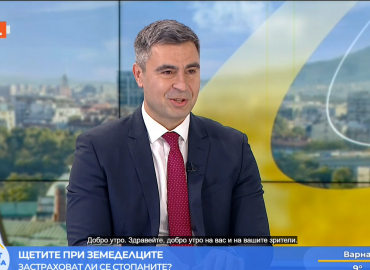
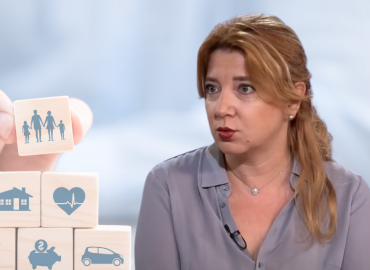
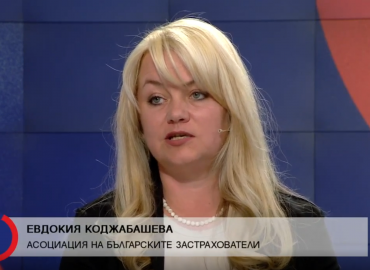
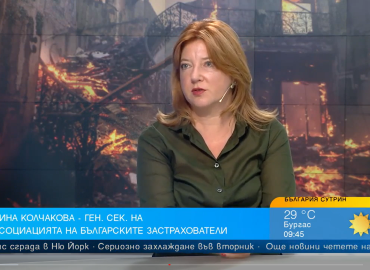
Bulgarians still largely do not insure their properties despite the increasing frequency of natural disasters. During major events such as the recent floods along the Black Sea coast, interest in property insurance rises, but the effect is short-lived. This was commented by Nina Kolchakova, Secretary General of the Association of Bulgarian Insurers (ABZ), in an interview for the morning show of TV Bulgaria ON AIR. She emphasized that the lack of insurance protection has already become a social problem in the context of climate risks.
The reasons for the low level of insurance penetration are diverse and largely related to long-standing public attitudes not based on real facts. Data from ABZ surveys show that the main reasons people cite for not having insurance include reliance on luck (“It won’t happen to me”), mistrust of insurers (“They won’t pay me”), the expectation that the state will cover the damages, as well as poor awareness of where to seek advice and what products are available. Another commonly mentioned concern is that insurance is expensive, but in reality, home insurance premiums have remained stable for years and are affordable for every household.
It is important for people to choose insurance that truly reflects the value and specifics of their property. “Consumers often go for the lowest price without checking what risks the policy actually covers. Every property insurance policy includes coverage for fire and natural disasters, but other risks – such as earthquake or theft – are usually added at the customer’s request. With cheaper offers, not only may the necessary risks be excluded, but the coverage limits for the included risks are usually lower and may prove insufficient in the event of damage,” she emphasized.
Kolchakova added that it is entirely understandable that people may not know the details of insurance products, which is why it is advisable to seek advice and clarification at the stage of signing the policy. “It’s normal to have questions – it’s important that they are asked, so that the insurance truly meets the needs of the household,” she said.
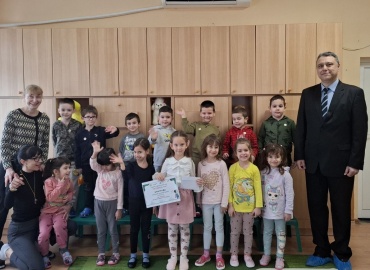
Regarding municipal and state properties, a common issue is underinsurance – the practice of taking out policies for reduced amounts. However, this leads to a serious risk when an insured event occurs, as the compensation paid cannot cover the actual value of the damages. Nina Kolchakova gave an example of a public tender for the insurance of a kindergarten, where the insured amount was set at 35,000 leva, which would make the compensation clearly insufficient in the event of damage.
In relation to the recent floods along the southern Black Sea coast, the ABZ Secretary General advised property owners with insurance to contact their insurers in order to receive exact instructions for the next steps – filing a claim and arranging damage inspections. “Insurance companies approach such cases with understanding, especially in situations involving mass disasters,” she assured.
Bulgaria remains the country with the lowest share of property insurance among European nations, Kolchakova noted. Unlike Bulgaria, countries such as Turkey and Greece have active policies promoting insurance awareness, and in some cases even mandatory mechanisms for protecting residential properties.
According to her, raising public awareness is among the most effective ways to encourage property insurance in Bulgaria. The Association of Bulgarian Insurers carries out numerous educational initiatives, campaigns, and partnerships with media outlets and educational institutions. “The state should also support these efforts and send clear messages to citizens – that post-disaster aid is meant to help victims in a crisis situation, but it cannot replace insurance protection,” Kolchakova emphasized.


-370x270-3.png "News image")


-370x270-1.png "News image")




























 (002)-370x270-2.jpg "News image")