
ABZ and FSC Hold Discussion on Amendments to Solvency II and IRRD

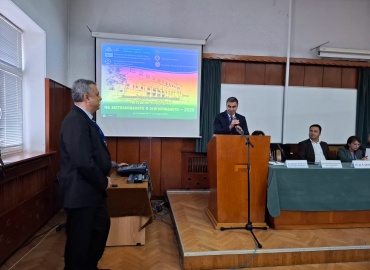
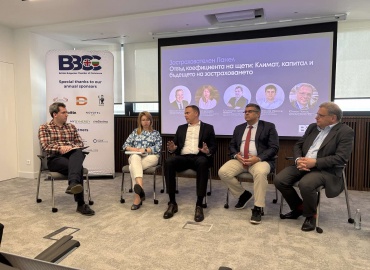
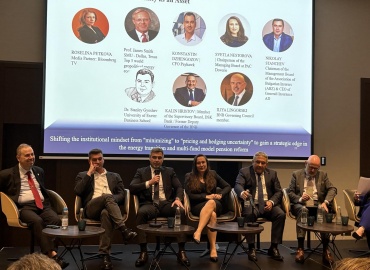
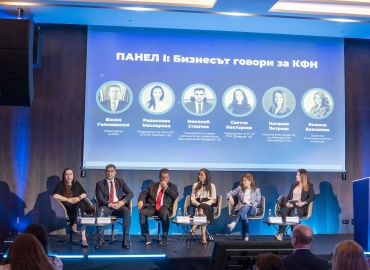
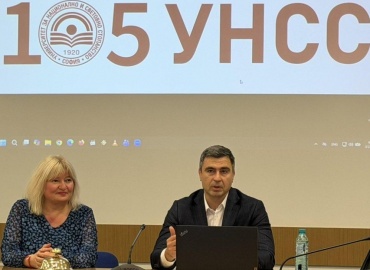
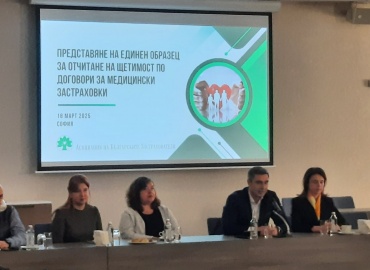
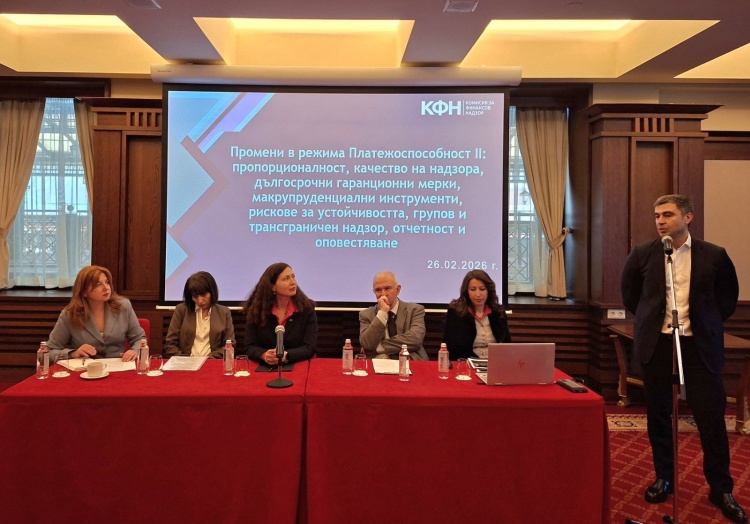
On 26 February 2026, the Association of Bulgarian Insurers (ABZ), in partnership with the Financial Supervision Commission (FSC), organized a discussion meeting dedicated to the amendments to the Solvency II regime and the new Directive on the recovery and resolution of insurance and reinsurance undertakings (IRRD). The new directives—both the revised Solvency II framework and IRRD—must be transposed into national legislation by the end of January 2027.

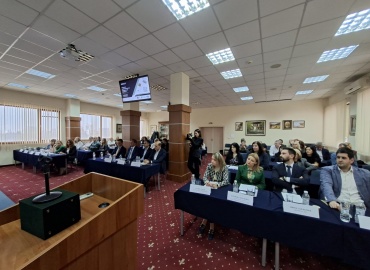
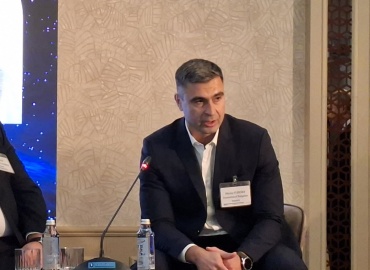
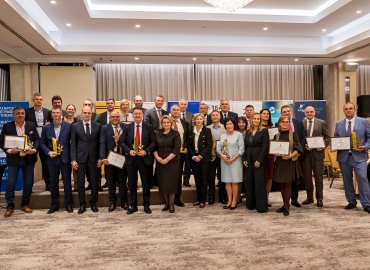
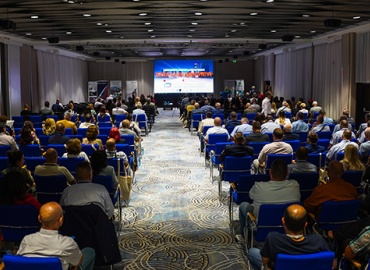
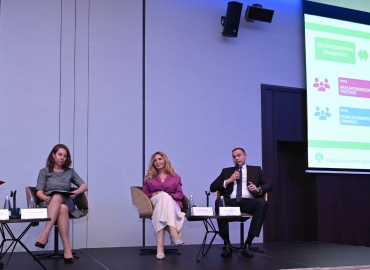
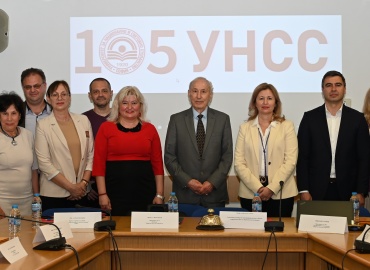
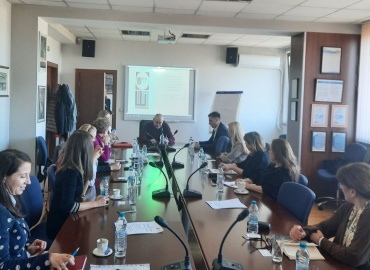
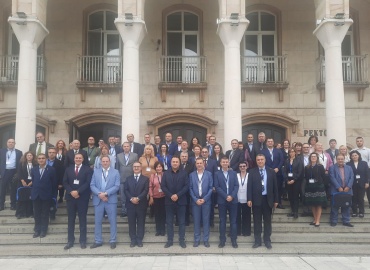
The event attracted strong interest from the professional community, bringing together more than 80 representatives of the insurance sector, the regulator, the Ministry of Finance, and other stakeholders.

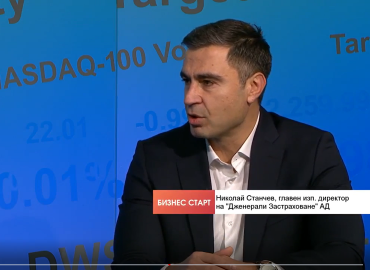
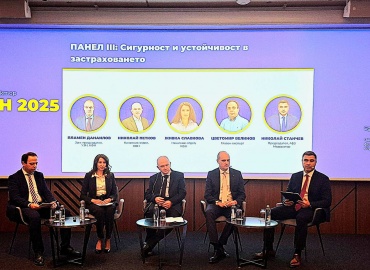
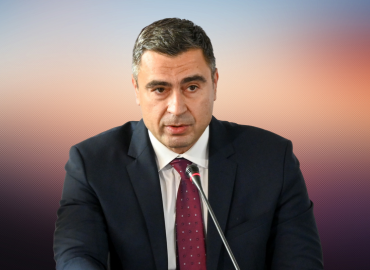
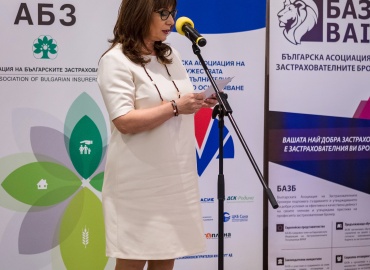
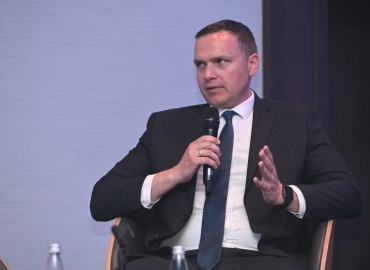
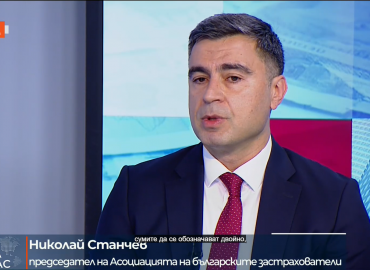
The discussion was opened by Nikolay Stanchev, Chair of the Management Board of ABZ, who emphasized the benefits and the need for active expert exchange in light of the regulatory changes. Plamen Danailov, Deputy Chair of the FSC in charge of Insurance Supervision, also addressed the audience. He outlined the upcoming steps in the transposition process and stressed the importance of sustained dialogue between the regulator and the sector.

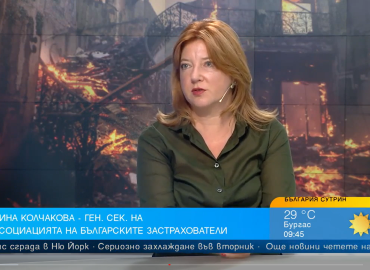
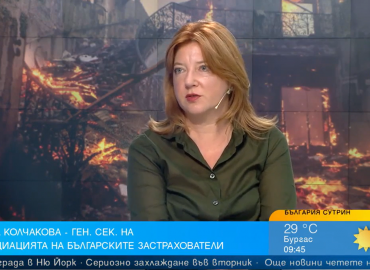
The discussion was moderated by Nina Kolchakova, Secretary General of ABZ. She noted that part of the new framework allows for national options, creating room for taking into account the specific characteristics of the Bulgarian insurance market during transposition into national legislation.

The amendments to Solvency II were presented by FSC experts Zhivka Slavkova, Nikolay Petkov, and Yordanka Andreeva. The focus was on the new framework for applying the principle of proportionality—raising the thresholds for exclusion from the scope of the Directive, introducing the category of “small and non-complex undertakings” (SNCUs), and the procedures for access to proportionality measures. Changes in reporting and disclosure were also reviewed, including the new structure of the Solvency and Financial Condition Report (SFCR) and amendments to supervisory reporting deadlines.

The FSC experts also presented proposed amendments to the Implementing Technical Standard (ITS 2023/894), the macroprudential elements in the ORSA, liquidity risk management, as well as new rules on significant cross-border activity and group supervision. They addressed questions regarding the practical application of regulatory requirements related to the proportionality principle. During the discussion, it was noted that the changes to the Solvency II regime create conditions for a more streamlined reporting framework, including disclosure requirements, governance requirements, and the calculation of technical provisions.

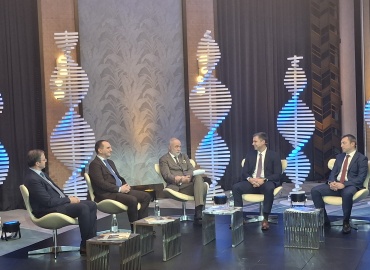
The second panel focused on the Directive on the recovery and resolution of insurance and reinsurance undertakings (IRRD). The discussion featured FSC experts Nikolay Petkov and Maria Emanuilova. They presented the scope of obligated entities and the requirements for preparing recovery plans at both individual and group level as part of the system of governance. The objectives and conditions for resolution were discussed, as well as the resolution tools—portfolio transfer under solvent run-off, sale of business, bridge institution, asset and liability separation, and write-down or conversion tools, along with the funding mechanism through contributions from undertakings in the sector.

The discussion was marked by active engagement from participants, with a wide range of practical aspects related to the upcoming regulatory changes being addressed.




On 26 February 2026, the Association of Bulgarian Insurers (ABZ), in partnership with the Financial Supervision Commission (FSC), organized a discussion meeting dedicated to the amendments to the Solvency II regime and the new Directive on the recovery and resolution of insurance and reinsurance undertakings (IRRD). The new directives—both the revised Solvency II framework and IRRD—must be transposed into national legislation by the end of January 2027.

The event attracted strong interest from the professional community, bringing together more than 80 representatives of the insurance sector, the regulator, the Ministry of Finance, and other stakeholders.

The discussion was opened by Nikolay Stanchev, Chair of the Management Board of ABZ, who emphasized the benefits and the need for active expert exchange in light of the regulatory changes. Plamen Danailov, Deputy Chair of the FSC in charge of Insurance Supervision, also addressed the audience. He outlined the upcoming steps in the transposition process and stressed the importance of sustained dialogue between the regulator and the sector.

The discussion was moderated by Nina Kolchakova, Secretary General of ABZ. She noted that part of the new framework allows for national options, creating room for taking into account the specific characteristics of the Bulgarian insurance market during transposition into national legislation.

The amendments to Solvency II were presented by FSC experts Zhivka Slavkova, Nikolay Petkov, and Yordanka Andreeva. The focus was on the new framework for applying the principle of proportionality—raising the thresholds for exclusion from the scope of the Directive, introducing the category of “small and non-complex undertakings” (SNCUs), and the procedures for access to proportionality measures. Changes in reporting and disclosure were also reviewed, including the new structure of the Solvency and Financial Condition Report (SFCR) and amendments to supervisory reporting deadlines.

The FSC experts also presented proposed amendments to the Implementing Technical Standard (ITS 2023/894), the macroprudential elements in the ORSA, liquidity risk management, as well as new rules on significant cross-border activity and group supervision. They addressed questions regarding the practical application of regulatory requirements related to the proportionality principle. During the discussion, it was noted that the changes to the Solvency II regime create conditions for a more streamlined reporting framework, including disclosure requirements, governance requirements, and the calculation of technical provisions.

The second panel focused on the Directive on the recovery and resolution of insurance and reinsurance undertakings (IRRD). The discussion featured FSC experts Nikolay Petkov and Maria Emanuilova. They presented the scope of obligated entities and the requirements for preparing recovery plans at both individual and group level as part of the system of governance. The objectives and conditions for resolution were discussed, as well as the resolution tools—portfolio transfer under solvent run-off, sale of business, bridge institution, asset and liability separation, and write-down or conversion tools, along with the funding mechanism through contributions from undertakings in the sector.

The discussion was marked by active engagement from participants, with a wide range of practical aspects related to the upcoming regulatory changes being addressed.


On 26 February 2026, the Association of Bulgarian Insurers (ABZ), in partnership with the Financial Supervision Commission (FSC), organized a discussion meeting dedicated to the amendments to the Solvency II regime and the new Directive on the recovery and resolution of insurance and reinsurance undertakings (IRRD). The new directives—both the revised Solvency II framework and IRRD—must be transposed into national legislation by the end of January 2027.

The event attracted strong interest from the professional community, bringing together more than 80 representatives of the insurance sector, the regulator, the Ministry of Finance, and other stakeholders.

The discussion was opened by Nikolay Stanchev, Chair of the Management Board of ABZ, who emphasized the benefits and the need for active expert exchange in light of the regulatory changes. Plamen Danailov, Deputy Chair of the FSC in charge of Insurance Supervision, also addressed the audience. He outlined the upcoming steps in the transposition process and stressed the importance of sustained dialogue between the regulator and the sector.

The discussion was moderated by Nina Kolchakova, Secretary General of ABZ. She noted that part of the new framework allows for national options, creating room for taking into account the specific characteristics of the Bulgarian insurance market during transposition into national legislation.

The amendments to Solvency II were presented by FSC experts Zhivka Slavkova, Nikolay Petkov, and Yordanka Andreeva. The focus was on the new framework for applying the principle of proportionality—raising the thresholds for exclusion from the scope of the Directive, introducing the category of “small and non-complex undertakings” (SNCUs), and the procedures for access to proportionality measures. Changes in reporting and disclosure were also reviewed, including the new structure of the Solvency and Financial Condition Report (SFCR) and amendments to supervisory reporting deadlines.

The FSC experts also presented proposed amendments to the Implementing Technical Standard (ITS 2023/894), the macroprudential elements in the ORSA, liquidity risk management, as well as new rules on significant cross-border activity and group supervision. They addressed questions regarding the practical application of regulatory requirements related to the proportionality principle. During the discussion, it was noted that the changes to the Solvency II regime create conditions for a more streamlined reporting framework, including disclosure requirements, governance requirements, and the calculation of technical provisions.

The second panel focused on the Directive on the recovery and resolution of insurance and reinsurance undertakings (IRRD). The discussion featured FSC experts Nikolay Petkov and Maria Emanuilova. They presented the scope of obligated entities and the requirements for preparing recovery plans at both individual and group level as part of the system of governance. The objectives and conditions for resolution were discussed, as well as the resolution tools—portfolio transfer under solvent run-off, sale of business, bridge institution, asset and liability separation, and write-down or conversion tools, along with the funding mechanism through contributions from undertakings in the sector.

The discussion was marked by active engagement from participants, with a wide range of practical aspects related to the upcoming regulatory changes being addressed.

 
 
Начало