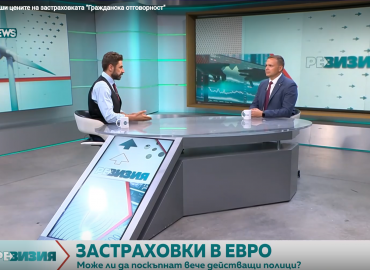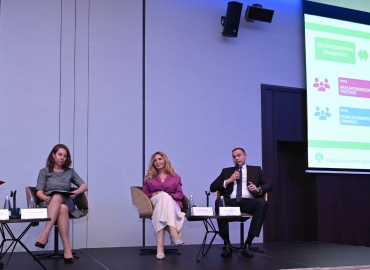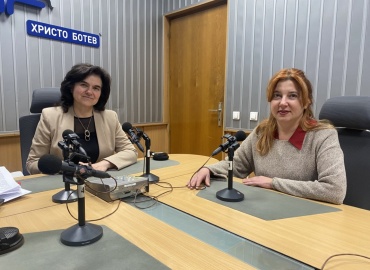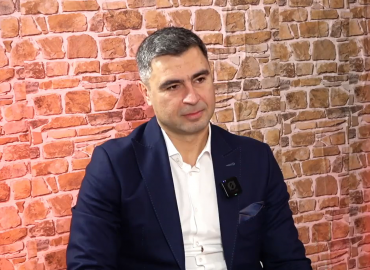


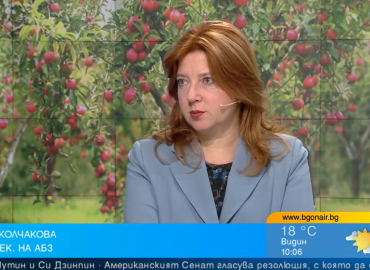
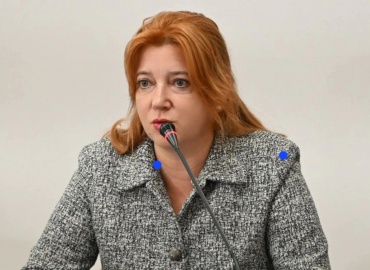
Over the past four to five years, the world has confronted us with major challenges, and this has reshaped people’s thinking—including their attitudes toward insurance, said Nina Kolchakova, Secretary General of ABZ, in an interview for Radio Dobrich on 29 April 2026.
According to her, there is a growing awareness in society that individuals need to consider the risks around them and take steps to ensure these risks do not have a severe impact on their financial situation. One example is the increase in health insurance following the COVID-19 pandemic. Military conflicts, and their impact on supply chains, are also affecting the insurance market, as reflected in the growth of cargo insurance.
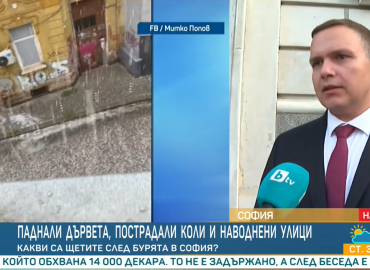
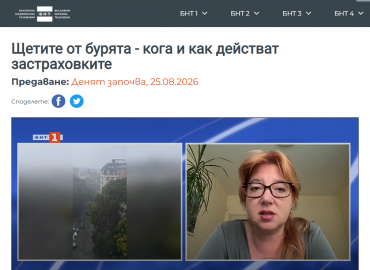
Market data shows positive growth in property insurance, with rising interest largely driven by the climate changes we have been witnessing—and increasingly suffering from—in recent years. Nina Kolchakova noted that premium income in this segment has increased by 25%. Given that there has been no significant change in price levels, this clearly indicates higher demand. Even more notable, however, is the sharp rise in claims paid, she emphasized—up by 140% year-on-year, a dynamic without precedent in recent years. This means that while more properties are being insured, significantly more have also been affected—primarily by natural disasters. A typical pattern in public behaviour remains evident: interest in insurance spikes after such events, but fades over time. Kolchakova pointed to repeated damages where no preventive measures have been taken as a clear example.
In terms of priorities when purchasing insurance, Bulgarians place motor insurance first. This is followed by property and health insurance, while life insurance ranks last—a pattern that is “exactly the opposite” of what is observed in more developed markets. This market structure is not unique to Bulgaria; similar trends can be seen in neighbouring countries. Penetration in agricultural insurance remains relatively low, although there are signs of positive development. This is largely due to changes in the policy of the Agriculture Fund, which now subsidizes a larger share of insurance premiums for farmers and has simplified administrative procedures.
Young people, however, differ from their parents in how they use insurance products. They clearly follow a new behavioural model. According to Nina Kolchakova, they expect to access all information online and tend to rely primarily on social media. This, however, carries risks, as it is “not always the best option.” Her advice is therefore to consult a professional when deciding to purchase an insurance product.
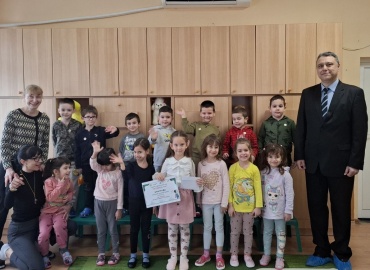
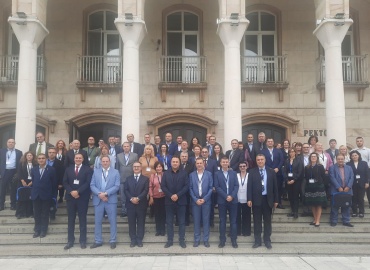
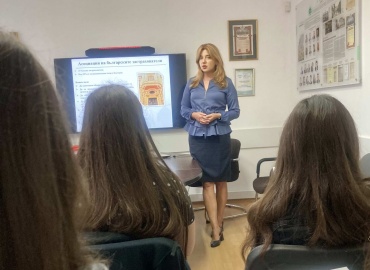
In conclusion, Nina Kolchakova emphasized that ABZ is actively engaged in initiatives to improve insurance literacy, explain the nature of insurance and insurance products, and relies on the support of the media to reach a wider audience.


-370x270-3.png "News image")









-370x270-1.png "News image")





































 (002)-370x270-2.jpg "News image")