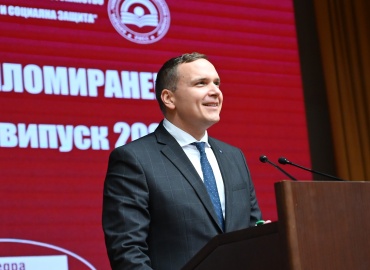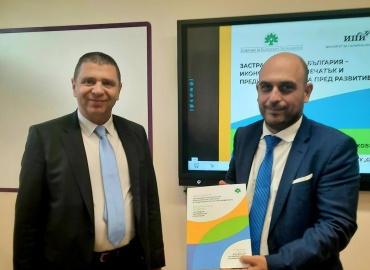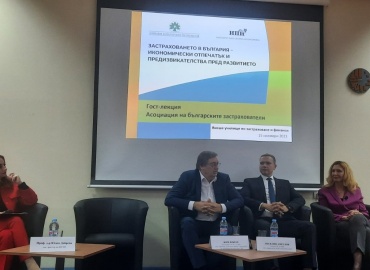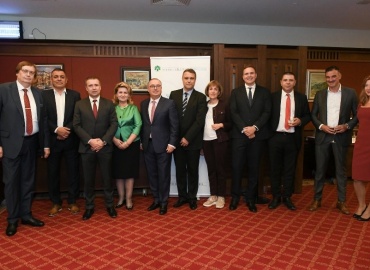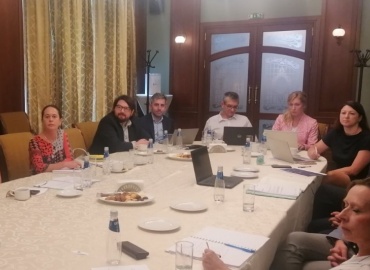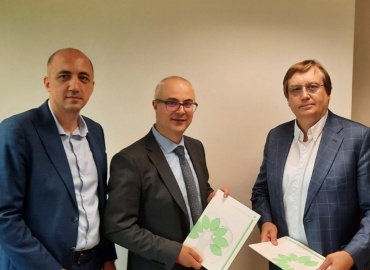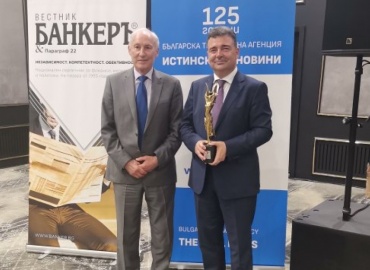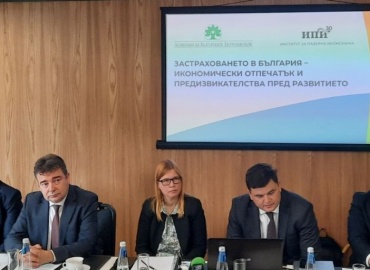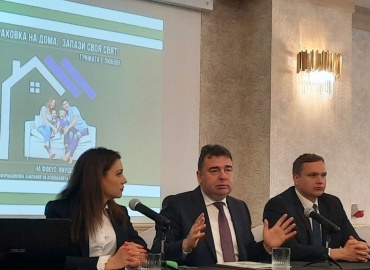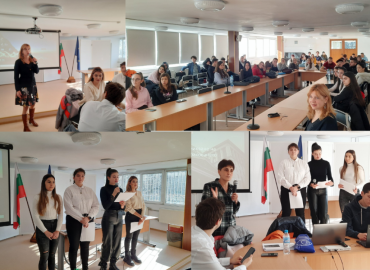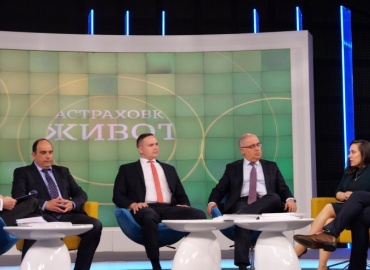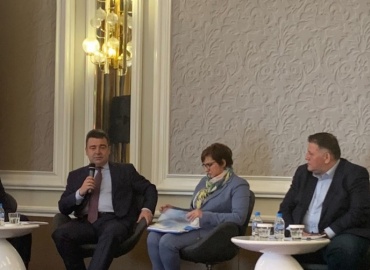


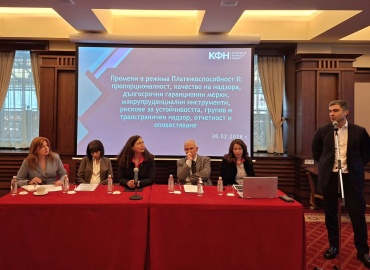
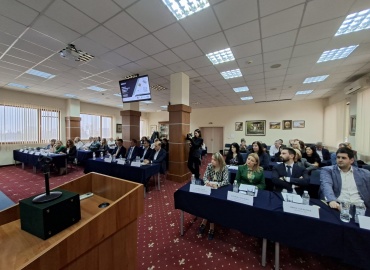
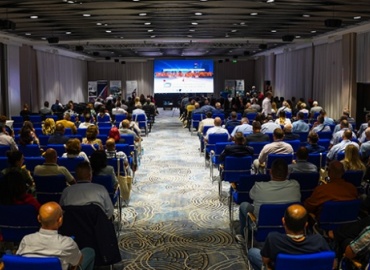
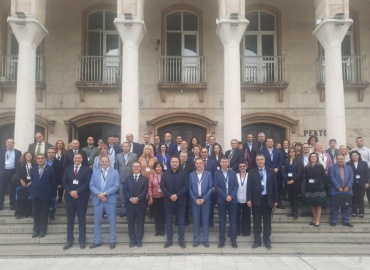
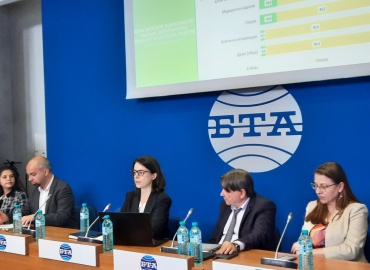
Konstantin Velev, Chair of ABZ, and Kiril Boshov, member of ABZ’s Managing Board, participated in the international conference titled “Joint Audit in Bulgaria – Four Years Later”, held on April 8, 2022. The event was organized by the Commission for Public Oversight of Statutory Auditors (CPOSA) to mark four years of practical implementation of joint audits in Bulgaria. The conference featured a discussion assessing the advantages and disadvantages of the joint audit model, its effectiveness and efficiency, its impact on the audit services market, and the specific characteristics of the model in Bulgaria.
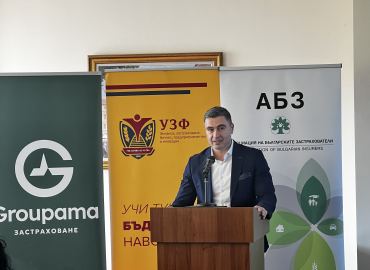
In his opening remarks, Konstantin Velev, Chair of the Managing Board of ABZ, welcomed the initiative and noted that the challenges discussed at the conference remain largely the same as those identified in 2018, shortly after the introduction of joint audit in Bulgaria. According to him, this indicates that the negative aspects of the model must be addressed properly so that users of audit services can increasingly benefit from it.
Velev presented the results of a survey conducted by ABZ among the management of insurance companies in Bulgaria specifically for the conference. The survey explored questions such as: whether the direct and indirect costs of audits increased following the introduction of joint audits; whether companies experienced difficulties related to the model; and whether the intended benefits—such as market deconcentration, auditor independence, improved audit quality, and greater security—had materialized. A total of 24 companies responded, making the results representative and highlighting the importance of the issue for the insurance industry.
"Insurance companies reported an average increase of about 45% in their direct audit costs following the introduction of the joint audit model, i.e. in the annual fees paid to audit firms. For some smaller insurers, the increase was 4 to 7 times higher compared to 2016," Velev stated.
He emphasized that Bulgaria has adopted some of the most restrictive audit requirements in Europe by imposing mandatory joint audit on all public interest entities without any additional thresholds or exceptions. "This is not the case in other EU member states – for example, in Croatia joint audit is only mandatory for very large companies with over 5,000 employees and high asset values," he explained. "Imposing mandatory joint audit on all insurers, regardless of size, leads to a significant increase in administrative burden, especially for small companies – for some of them, the audit fee represents around 5% of their annual gross written premium and about 10–15% of their total administrative expenses," he added.
According to the survey findings, Bulgarian insurers do not perceive the benefits of joint audit as proportional to the cost increase, and the objectives behind the model’s introduction have not been achieved. For example, the goal of enhancing investor confidence has limited relevance for insurers, as there have been no significant M&A deals on the Bulgarian insurance market in recent years. Moreover, market deconcentration has not been achieved, as only a few audit firms meet the regulator’s requirements to audit insurers, especially those with in-house actuarial teams. This significantly limits insurers' choice of audit provider.
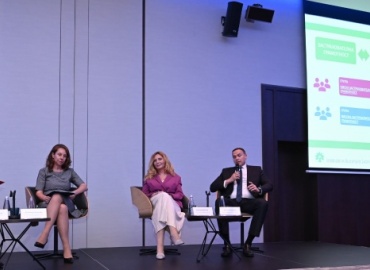
Kiril Boshov, member of ABZ’s Managing Board, also participated in the discussion on behalf of the industry. He shared his perspective as the manager of an insurance group comprising companies of various sizes and focus areas. The main drawback he highlighted was the increase in audit costs. In the first year of implementation, audit fees rose by over 50%, and in subsequent years, total audit expenses grew three to four times. He pointed out that the reporting burden on Bulgarian companies is increasing—alongside joint audit, insurers must comply with Solvency II, audit Solvency II reports, and prepare for IFRS 9 and IFRS 17, all while navigating the shocks from the COVID-19 pandemic. In addition, the Bulgarian insurance market is heavily dominated by the motor business, which generates very low profitability, meaning that any increase in audit-related costs significantly impacts the bottom line.
He concluded that a reassessment of the scope of entities subject to mandatory joint audit would be a welcome move, particularly to ease the disproportionately high burden on small insurers.
Other participants in the discussion included Assoc. Prof. Dr. Daniela Petrova from UNWE, Dimitar Shumarov, Managing Board member of the Association of Banks in Bulgaria, and Evelina Miltenova, Chair of the Bulgarian Association of Supplementary Pension Insurance Companies.
Among the attendees at the conference were Prof. Ognyan Simeonov, Chair of CPOSA, Vladimir Savov, Deputy Chair of the Financial Supervision Commission (responsible for insurance supervision), Stoyan Manolov, Director General of the Banking Supervision Department at the Bulgarian National Bank, and Emil Vassilev from the Institute of Certified Public Accountants, as well as managers of leading audit firms. International institutions and organizations also contributed, with presentations from representatives of the French High Council for Statutory Auditors, the European Commission’s DG FISMA, and audit firm Mazars France, among others.

-370x270-1.png "News image")














-370x270-1.png "News image")