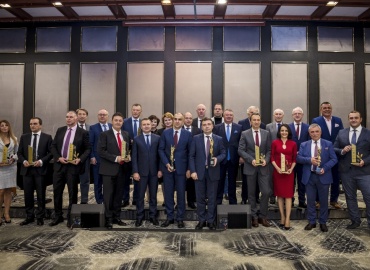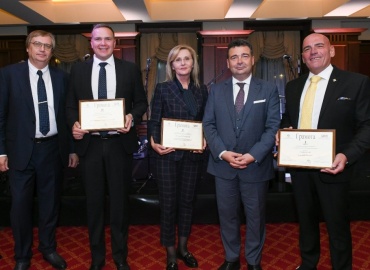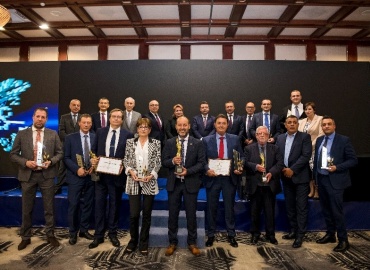


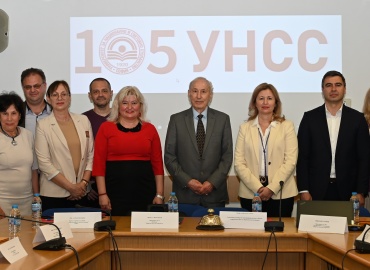
In 2022, the Bulgarian insurance sector celebrated two major anniversaries – 140 years of insurance in Bulgaria and 30 years since the establishment of the Association of Bulgarian Insurers (ABZ).
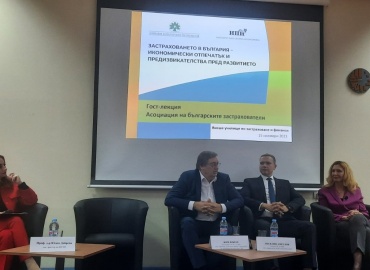
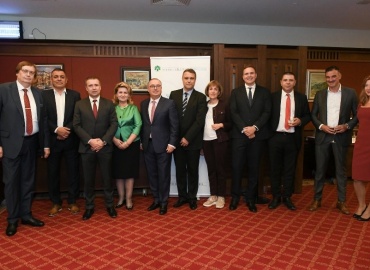
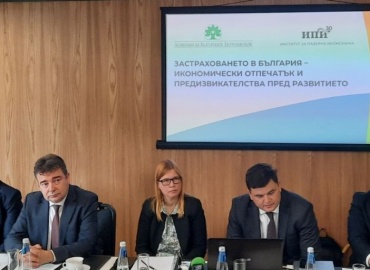
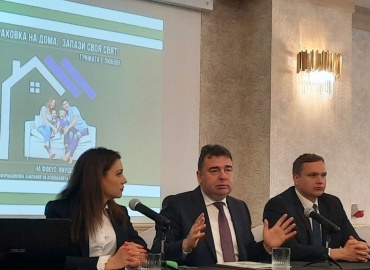
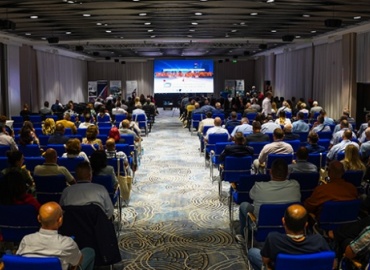
To mark these milestones, ABZ organized a special anniversary conference titled “140 Years of Insurance in Bulgaria”, which took place on October 5, 2022, at the Hyatt Hotel.
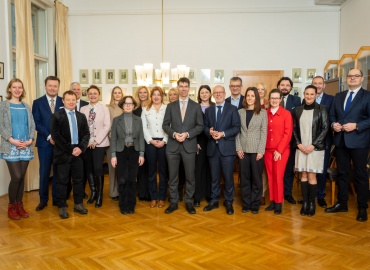
The prestigious event was attended by leading figures from the insurance sector in both Europe and Bulgaria. Among the participants were Petra Hielkema, Chairperson of the European Insurance and Occupational Pensions Authority (EIOPA), Michaela Koller, Director General of Insurance Europe, and Didier Millerot, Head of the “Insurance and Pensions” Unit at the Directorate-General for Financial Stability, Financial Services and Capital Markets Union of the European Commission.
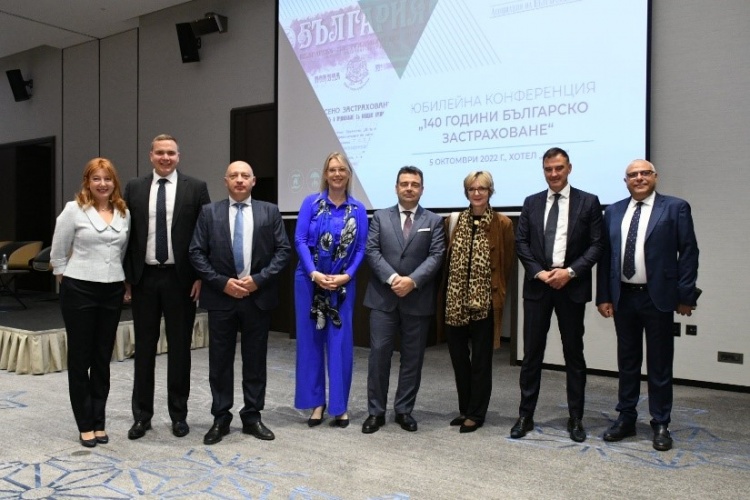
The event was a great success and was highly praised by both European and Bulgarian participants for its substance and excellent organization.
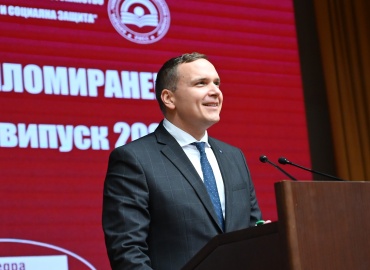
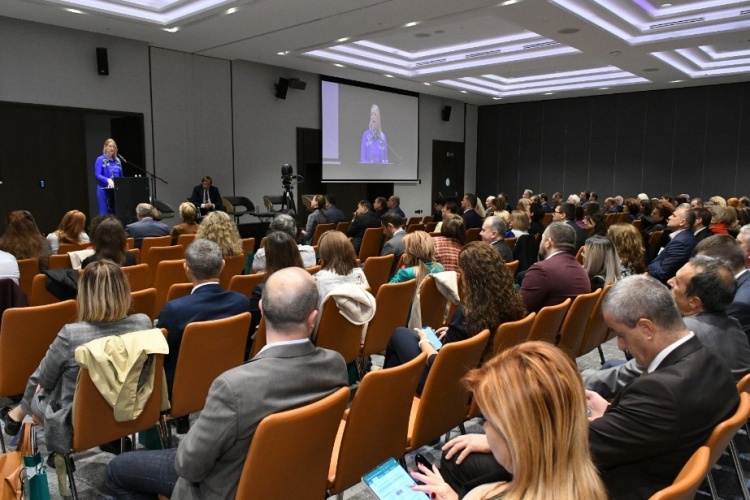
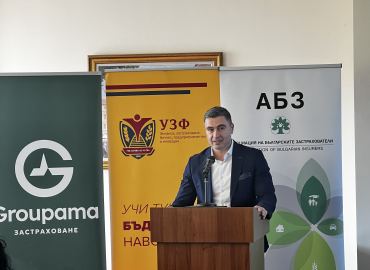
The conference was officially opened by Konstantin Velev, Chairperson of the ABZ Management Board, Daniela Dobreva, Deputy Minister of Finance, and Boyko Atanassov, Chairperson of the Financial Supervision Commission.
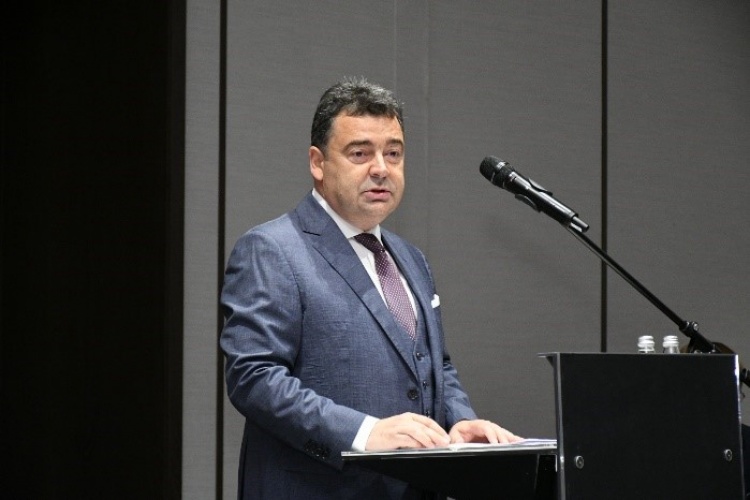
A look at the history and present of Bulgarian insurance clearly shows its strength to withstand crises and emerge stronger, to move forward and proudly fulfill its societal mission to support Bulgarian citizens and businesses, stated Konstantin Velev in his opening remarks. He added: “We are facing serious and global challenges – economic hardship and high inflation, security and energy supply issues caused by the war in Ukraine. We are also confronting climate change risks, demographic shifts, and digitalization. That is why today’s conference is focused on the future – on solutions that can help us effectively address modern risks.”
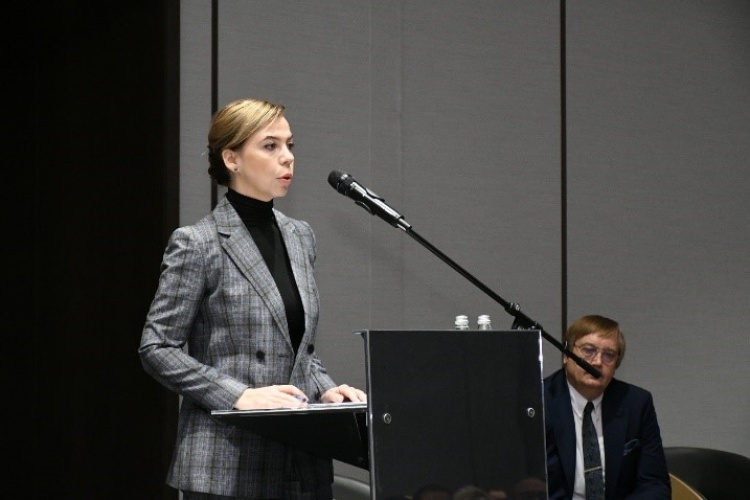
In her greeting, Daniela Dobreva, Deputy Minister of Finance, emphasized that the Bulgarian insurance industry has successfully affirmed its role in economic development and the stability of the financial sector in line with the best practices and requirements of the European market. She praised the strong partnership between the Ministry of Finance, ABZ, and the regulator, aimed at “enhancing consumer protection in insurance services, ensuring financial stability, and preserving the competitiveness of Bulgarian insurers.”
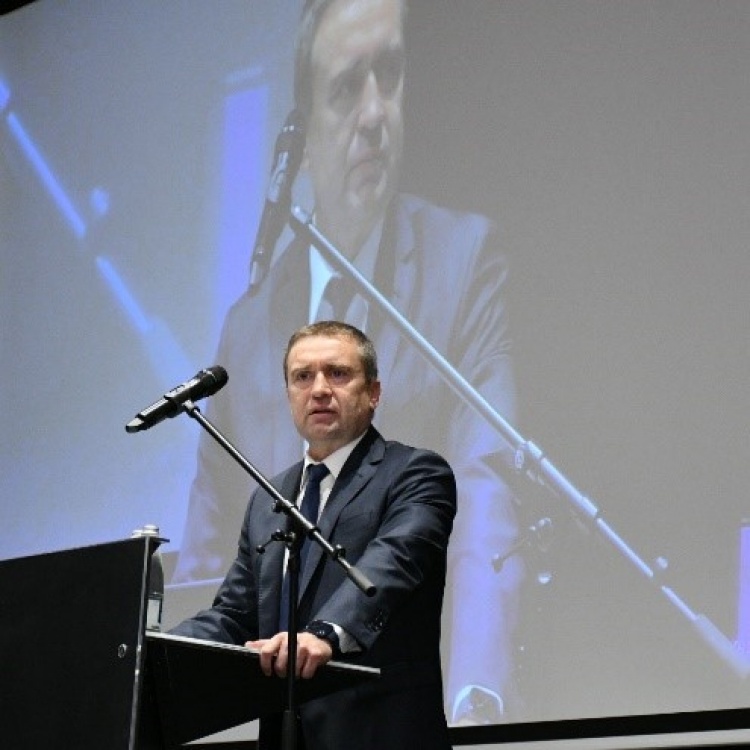
In his remarks, Boyko Atanassov, Chairperson of the Financial Supervision Commission, said: “ABZ’s role is to be a pillar of security, a balancer of diplomacy, and a visionary in conquering new horizons. I believe the words that best describe our joint work with the insurance sector in Bulgaria are dialogue, technological orientation, and mission.”
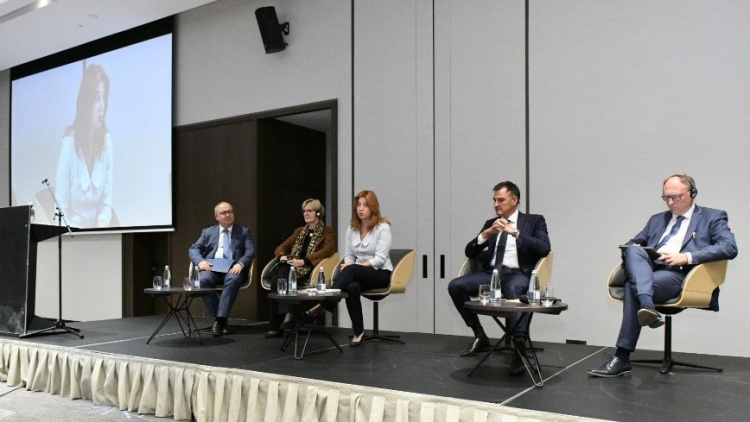
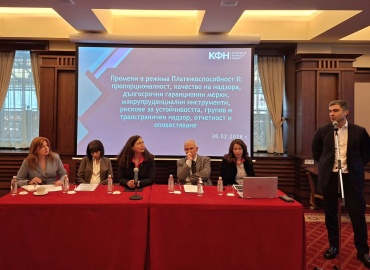
The discussion in the first panel of the conference focused on changes in the regulatory framework and their impact on the insurance industry. The topic is of critical importance for the sector’s sustainable development and competitiveness, as regulation in the insurance field forms the “infrastructure” that enables the industry to continue performing its socially significant functions.
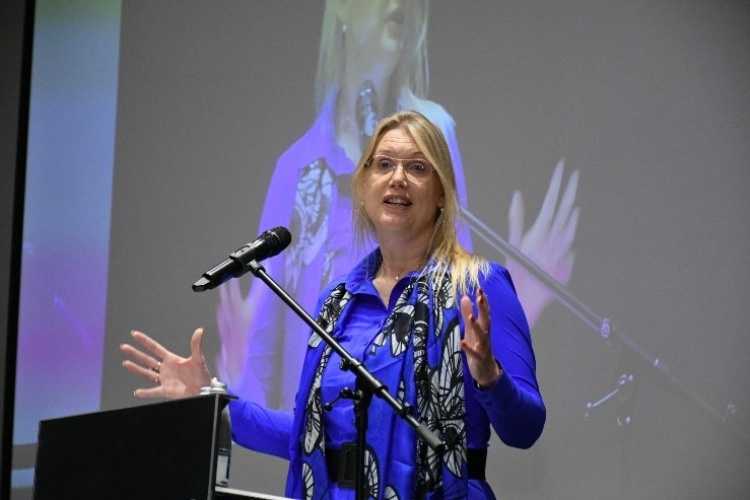
In her keynote presentation, Petra Hielkema, Chairperson of EIOPA, gave an overview of upcoming regulatory developments – Solvency II, the future Insurance Recovery and Resolution Directive (IRRD), digitalization and sustainable finance, and proposed changes to the Insurance Distribution Directive. She noted that the goal of these changes is to ensure the financial stability of the insurance sector and strengthen consumer protection. In her remarks, she addressed the many challenges of our uncertain times and expressed confidence that the insurance industry has the strength to help tackle them and build more resilient economies and societies.
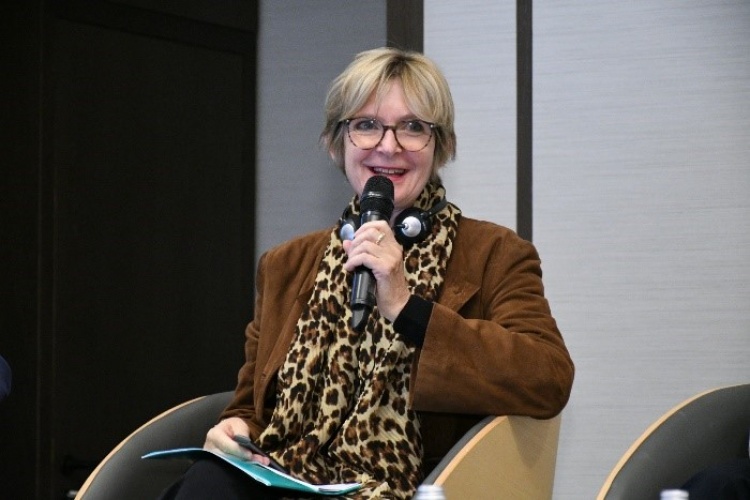
Michaela Koller, Director General of Insurance Europe, highlighted the steadily growing regulatory burden on insurers and the increasing number of legal acts relevant to their activities. She stressed that this requires significant financial and human resources, which hinders business efficiency. Michaela Koller also pointed to several key challenges: over time, there has been a shift of risk onto consumers, driven by regulation, which is not in their best interest, especially when they are seeking guarantees for their savings. Another issue is the lack of practical and enforceable mechanisms to apply proportionality based on the size and profile of insurance companies. She also commented on upcoming changes to the Insurance Distribution Directive related to enhanced disclosure requirements for consumers. As an example, she noted that a life insurance policy might require up to 190 consumer signatures – and warned that excessive paperwork may undermine consumer understanding rather than improve it. In summary, she stressed that “in these difficult times, people need to be encouraged to consume products and services that protect them against risks – and this can only happen through smart, balanced regulation.”
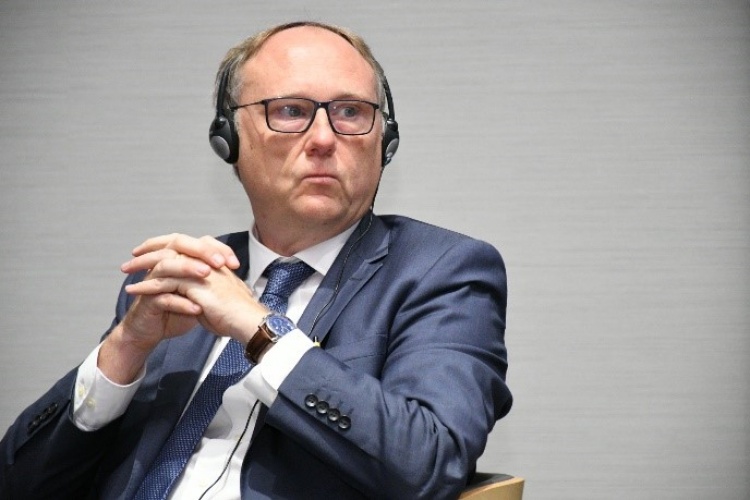
Didier Millerot, Head of Unit at the European Commission, confirmed the Commission’s intent to introduce effective proportionality criteria regarding insurers’ capital requirements. These rules will be applicable EU-wide and will be implemented automatically. According to Commission estimates, one quarter of the companies on the Bulgarian market would qualify for the lighter regime.
Kiril Boshov, ABZ Management Board member, noted that the key question for Bulgarian insurers is how to increase insurance consumption amid rising compliance costs. He stressed that Bulgarian insurers must meet regulatory demands comparable to those faced by their European peers, yet must offer products priced in line with Bulgaria’s lower income levels. He also highlighted the issue of additional national-level regulations on top of EU ones, which negatively affects the competitiveness of Bulgarian insurers. Still, he emphasized that Bulgaria offers a favorable environment for exporting insurance products within the single European market – and this potential could yield strong results with institutional support.
Vladimir Savov, Deputy Chairperson of the Financial Supervision Commission, outlined the regulator’s upcoming priorities – notably changes to Ordinance 53 and the Insurance Code in connection with the implementation of the new IFRS 17 accounting standard. He underlined the FSC’s consistent policy of striving for a balance between consumer protection and support for business development.
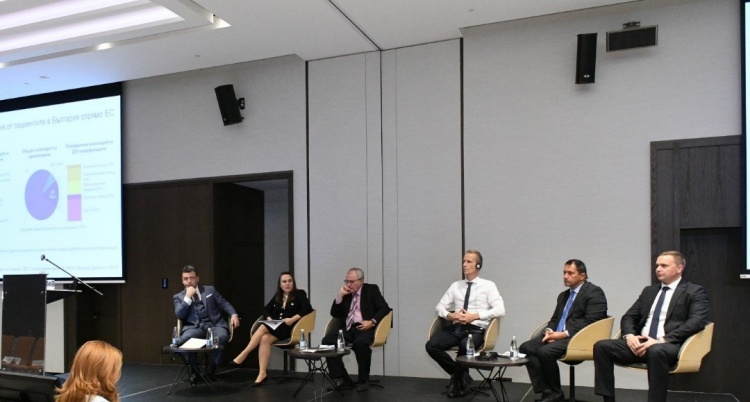
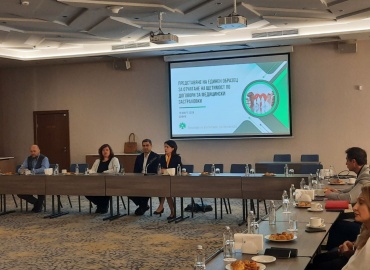
The second panel focused on risks, the growing protection gap, and the relatively low insurance penetration in Bulgaria – particularly in certain segments – as well as the potential of insurance to complement or supplement public safety nets. A key part of the discussion was dedicated to stimulating insurance demand and increasing coverage.
In his opening presentation, Konstantin Velev outlined major risks facing modern society – climate change and increasing natural disasters; demographic shifts and their impact on pensions and healthcare; rapid digitalization and cybersecurity risks; and pandemic risks. He noted that the insurance industry can help address these risks through solutions for both prevention and damage recovery. He cited that in the previous month alone, two major natural disasters had occurred in Bulgaria, with damages still being assessed. Between 2010 and 2019, disaster-related losses totaled USD 1.1 billion – about 0.2% of the country’s GDP for that period. Yet despite the evident risks, Bulgaria has the lowest level of property insurance in the EU – only about 10% of homes and agricultural properties are insured. The average share of non-life premiums in Europe is 36.5%, compared to just 13.8% in Bulgaria. Velev cited multiple reasons – low incomes, expectations of state aid during disasters, lack of awareness about the benefits of insurance, and persistent negative attitudes not based on actual experience (as confirmed by an ABZ national survey).
He also addressed demographic risks, noting that the elderly poverty rate in Bulgaria (34.6%) is more than double the EU average (16%). In this context, and given the chronic deficit of the National Social Security Institute, “personal responsibility for one’s financial well-being in retirement becomes critical.” One option are investment and savings life insurance products.
Healthcare is also a challenge. In 2018, 19% of Bulgarian households faced “catastrophic” health expenditures – the highest in the EU. Velev emphasized that health insurance can and should be a tool to improve access to quality care. Interest in these products is growing – a clear sign of public demand.
Svetla Nestorova, CEO and Management Board Chair of Bulstrad Life Vienna Insurance Group, noted that out-of-pocket health spending in Bulgaria remains high at 38%, posing financial strain on households. She emphasized the potential of health insurance to improve both access and quality. Currently, it is mostly employer-based – which excludes a large part of society due to lack of willingness or capacity by some employers. Nestorova noted the deeply rooted societal perception of the state as the sole provider of healthcare, pensions, and disaster aid – a view that hinders insurance growth. Insurance agents, she said, have a key role to play in changing that.
Veselin Angelov, Executive Director of Allianz Bulgaria, called life insurance products “the only ones that combine life and health protection with investment, ensuring both our working years and retirement.” He highlighted their customizable features, preferential access to financial markets, insolvency protections, and tax advantages. The life insurance market has been growing rapidly, fueled by low deposit interest rates and improved intermediary skills.
A global perspective on climate risks, their impact on agriculture, and insurance coverage was provided by Marcel Andris, Senior Agricultural Insurance Expert at Swiss Re. He noted that climate change increases risks of droughts, hailstorms, heatwaves, spring frosts, and floods for farmers – leading to growing global demand for agricultural insurance. Many countries now offer premium subsidies and national schemes.
Kaloyan Simeonov, Ministry of Finance, addressed financial literacy as a key factor for informed and beneficial consumer decisions in finance and insurance. He gave high praise to ABZ’s efforts in improving consumer awareness in this area.
-370x270-1.png "News image")


















-370x270-1.png "News image")