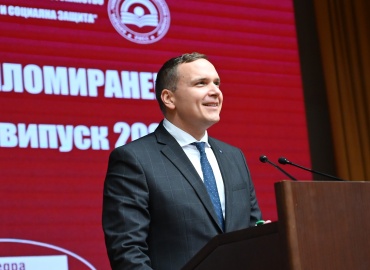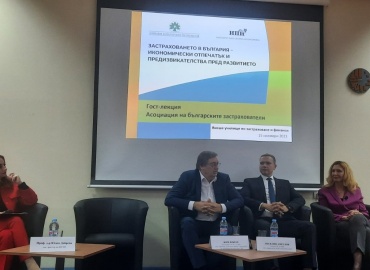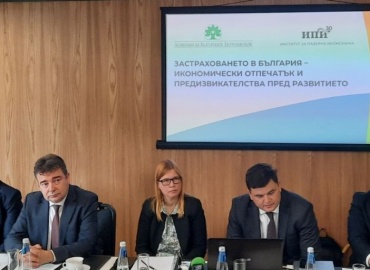


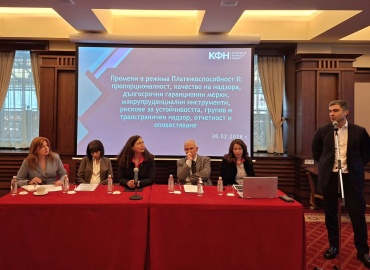
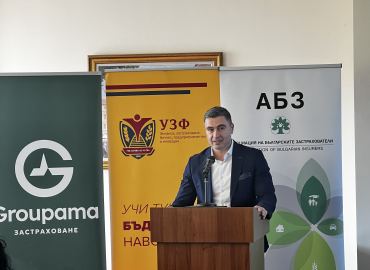
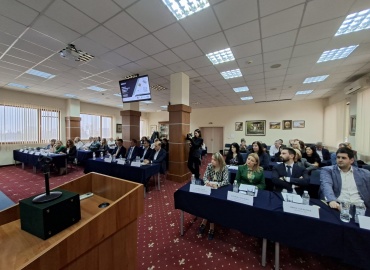
When it comes to insurance—both in Bulgaria and globally—the most significant risks today are related to climate change. In recent years, the frequency of natural disasters has clearly increased. Despite this, insurance coverage in Bulgaria remains exceptionally low: less than 10% of properties are insured, with the majority of policies linked to mortgage lending. This was stated by Nikolay Stanchev, Chairman of the Association of Bulgarian Insurers (ABZ) and CEO of Generali Insurance, during the event “The Eurozone: Equations and Solutions”, held on November 25.
According to him, the low penetration of property insurance is largely due to persistent public attitudes: the belief that “it won’t happen to me,” the expectation that the state will provide assistance after a disaster, and the widespread but false notion that insurers do not pay claims. “Only a very small share of reported claims—around 5%—go unpaid. The most common reason is that the customer did not purchase coverage for the specific risk,” Stanchev emphasized, urging people to carefully check the scope of their insurance policies.
“The trends in the insurance market remain largely the same as in recent years. The market continues to grow, dominated by motor insurance,” said Stanchev. Property insurance is also developing, but at a slower pace than desired. He also noted some renewed activity in agricultural insurance, driven by subsidies from the State Fund ‘Agriculture,’ under which coverage for certain crops can be subsidized by up to 70% of the premium.
In health insurance, growth continues, fueled mainly by rising healthcare costs. “Life insurance, however, remains stagnant, with even a decline in premiums for savings-type policies,” he added.
Stanchev highlighted recent amendments to the Insurance Code, including the new definition of a motor vehicle, increased minimum coverage limits under Third-Party Liability insurance, and the new provisions related to the bonus-malus system.
Starting next year, all insurers are expected to have access to the full claims history of every vehicle—an important change that will allow for more precise risk assessment for both new and existing customers. Each company will be able to develop its own methodology for applying the bonus-malus system.
“The entire sector has been preparing for the adoption of the euro for quite some time and is fully ready,” noted Stanchev. He assured that the transition to the euro will not alter the terms of existing contracts—no re-signing will be required, and all coverages and deadlines will remain valid. For companies, however, there will be a positive effect: the elimination of currency risk for euro-denominated assets will enable optimization of the capital required for solvency.

-370x270-1.png "News image")


























-370x270-1.png "News image")