
Cancer patients in Bulgaria face financial and organizational challenges in accessing treatment. These difficulties persist despite the fact that public funds allocated to oncology treatment have more than doubled over the past five years. However, the increase in funding has not led to better treatment outcomes—Bulgaria remains the only EU country with rising mortality rates from oncological diseases and lower five-year survival rates compared to the EU average.
These are the main findings of the “Access to Oncology Care” project, implemented by the “Hospital Index” initiative with the support of the America for Bulgaria Foundation and the participation of the Association of Bulgarian Insurers (ABZ) and the Joint Oncology National Network (JONN).
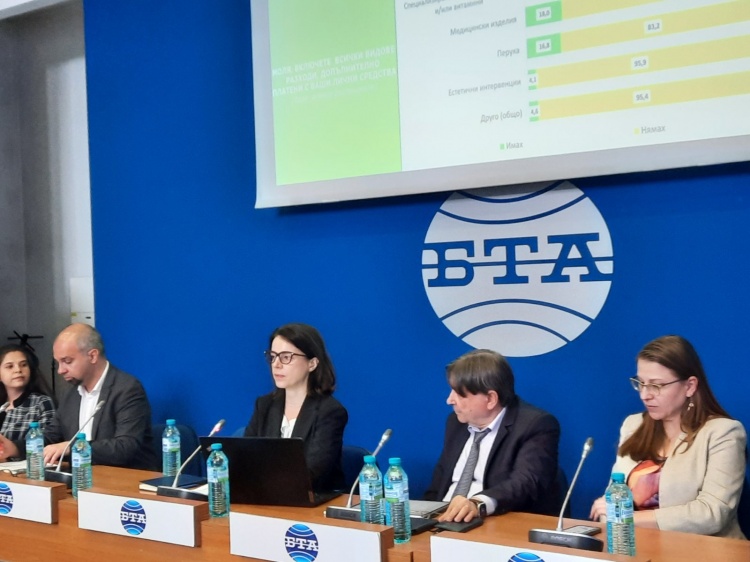
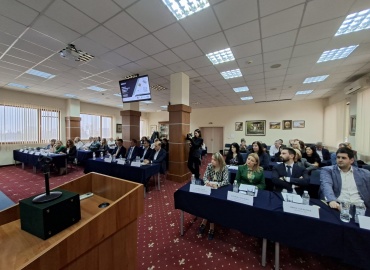
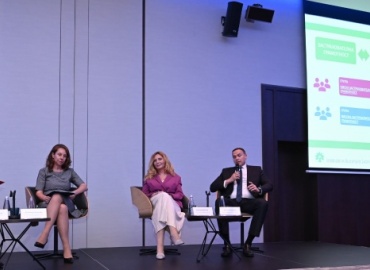
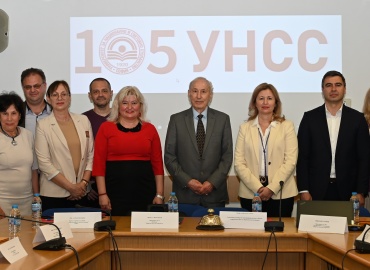
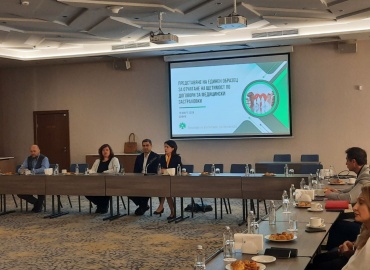
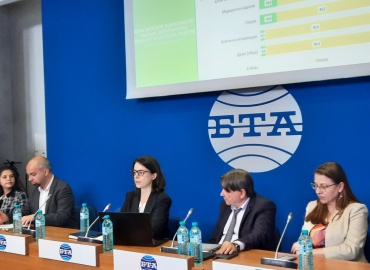
The results of the project were presented at a press conference held on 9 April 2024 at the Bulgarian News Agency (BTA). Participants included Ivana Dimova, member of the ABZ Management Board; Yulia Galyova and Parvan Simeonov from Hospital Index; Dr. Mimi Vitkova from the Association of Licensees for Voluntary Health Insurance; and JONN representatives Assoc. Prof. Dimitar Kalev and Assoc. Prof. Asya Konsulova.
“Oncological diseases represent a socially significant healthcare issue that is particularly acute in Bulgaria,” stated Ivana Dimova, ABZ, during the press conference. “In fact, the identified problems reflect the overall condition of the Bulgarian healthcare system. Addressing them adequately requires a systemic approach—not only targeting existing shortcomings but also rethinking and reforming the healthcare model. This can only happen with the active participation of all stakeholders. Ultimately, our goal is for Bulgarian citizens to have access to quality medical care,” she emphasized.
According to data from a nationally representative survey conducted at the beginning of the year among 417 cancer patients and their relatives, just over 69% of oncology patients in Bulgaria had to make out-of-pocket payments averaging BGN 1,495 for their treatment in the past five years. For 26% of them, this led to limited access to healthcare services. The largest share of patients—56%—paid for surgeries, with an average cost of BGN 1,732, most commonly due to the choice of surgical team. Approximately 41% reported paying for diagnostic tests, at an average cost of BGN 455; 25% paid for biopsies (BGN 267 on average), and 25% had out-of-pocket expenses for medication-based treatment, mostly for medical supplies and hospital stays, averaging BGN 651. The lowest percentage of additional payments was reported for radiation therapy—only 13% of patients, with an average amount of BGN 364, primarily for medical consumables. Most payments were made at the hospital’s cashier desk—71% of cases. In 9% of cases, patients were referred to another facility for payment, and in 4%, payments were made in cash. Additionally, 55% of patients reported other related expenditures averaging BGN 897, such as for nutritional supplements, wigs, medical devices, or aesthetic procedures—with some costs reaching up to BGN 6,000.
The costs of oncology care in Bulgaria are not fully covered by public funds via the National Health Insurance Fund (NHIF), the Ministry of Health, or municipal budgets, as confirmed by a survey conducted among ABZ members, which included 11 of the country’s largest insurance companies.
According to data provided by seven of these companies, the average compensation paid per oncology patient in the previous year ranged from BGN 289 to BGN 1,156. Insurers agree that out-of-pocket payments are required at every stage of oncology care—diagnosis, surgery, medical devices, follow-up care, and palliative services. These payments restrict access to treatment, prevention, diagnostics, and palliative care, and often prevent patients from receiving adequate healthcare.
The proposals from the insurance companies for addressing these challenges include:
The outlined challenges in oncology care are symptomatic of the broader condition of the healthcare system in Bulgaria. According to ABZ, improving the quality of medical care, increasing efficiency in the use of public funds, strengthening system control, and reducing informal payments require a rethinking of the healthcare model in open dialogue with all stakeholders.

-370x270-1.png "News image")






















-370x270-1.png "News image")