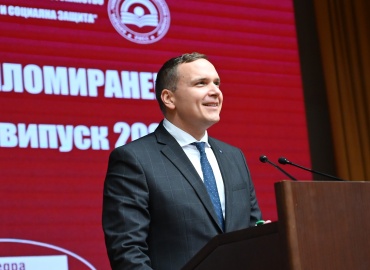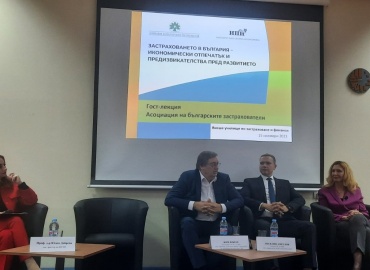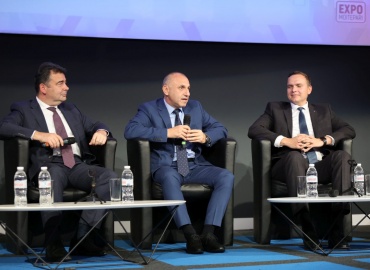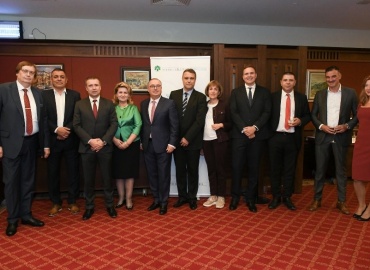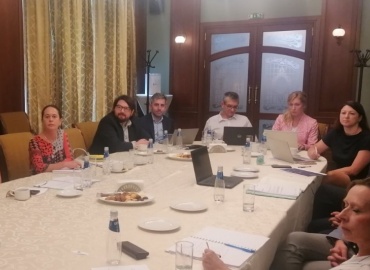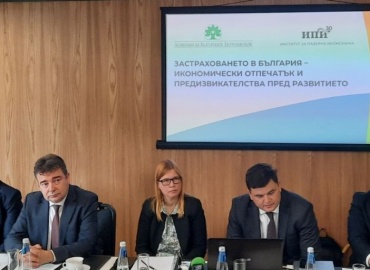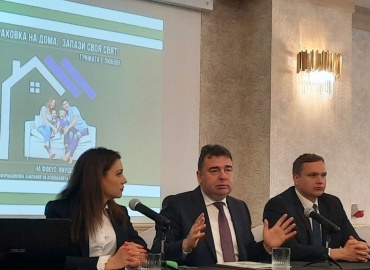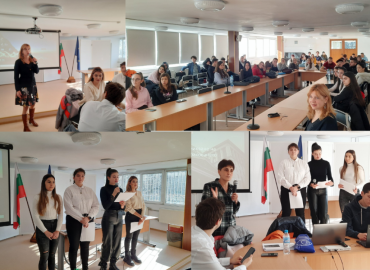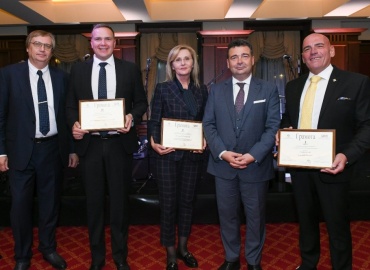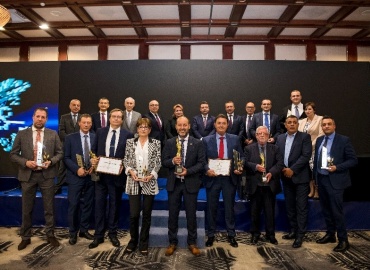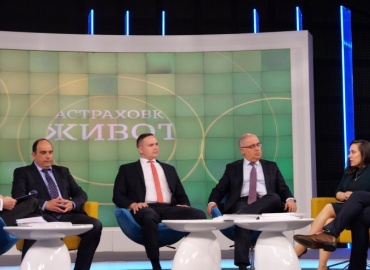

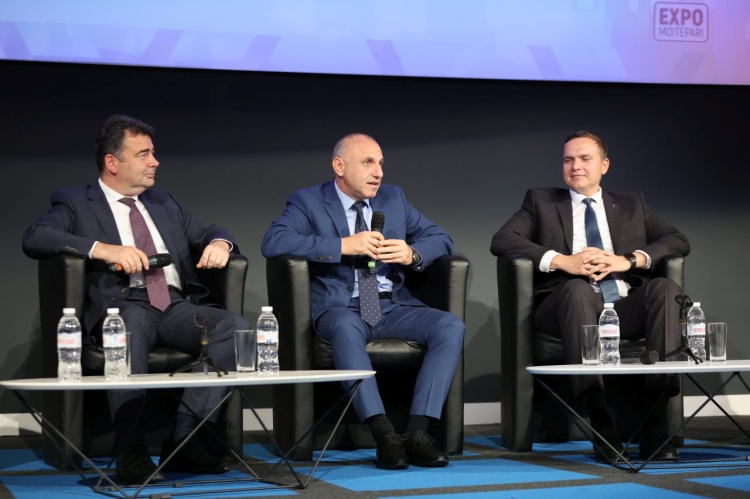
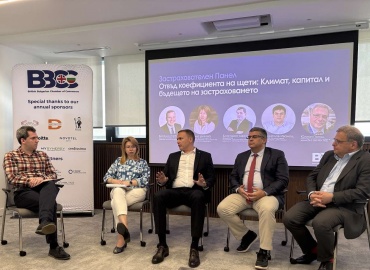
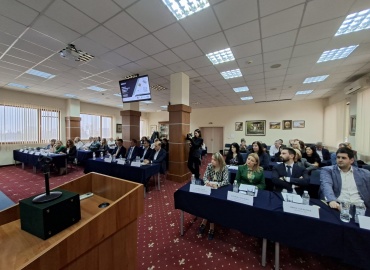
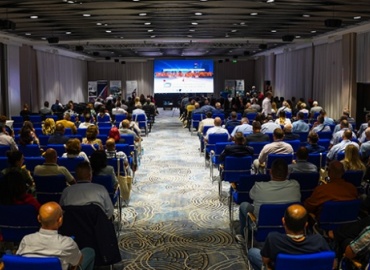
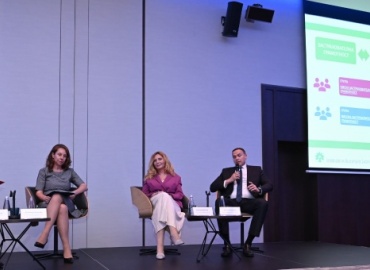
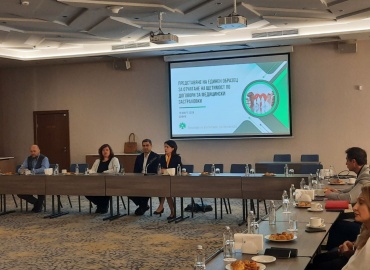
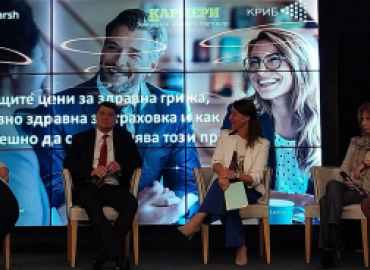
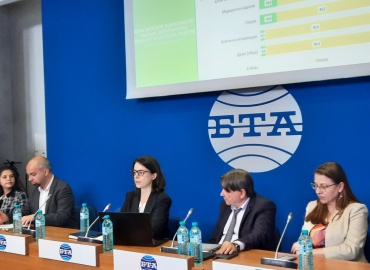
Representatives of ABZ and the insurance community took part in a discussion panel held as part of the 7th edition of EXPO Moite Pari on 2 November. For the first time, insurance topics were included in the forum’s agenda, with a clear intention for this to become a tradition. The discussion was held under the title “Why think before, not after a negative event, and how to protect ourselves financially?”
The panel featured Nina Kolchakova, Secretary General of ABZ, Veselin Angelov, ABZ Board Member and CEO of Allianz Bulgaria, Konstantin Velev, CEO of Armeec, and Prof. Dr. Stoyan Prodanov, CEO of Bul Ins. The moderator was Nikoleta Shalamanova, Managing Director at Insta Broker.
In her introductory presentation to the panel, Nina Kolchakova commented on the relatively low insurance penetration in Bulgaria, emphasizing property insurance and the potential for insurance to fully or partially complement existing public protection mechanisms. She pointed out that due to climate change, disaster-related losses are increasing rapidly both globally and in Bulgaria. In 2022, global losses amounted to USD 274 billion—around 30% more than the average annual amount of USD 208 billion for the previous 10 years. For Bulgaria, average annual losses for the period 2011–2019 were USD 122 million. The problem is that a very small portion of these losses is insured, while globally, the share of insured losses is 45%. In Bulgaria, the financial burden of recovery from adverse events is carried by the state budget, businesses, and households instead of using the protective mechanism of insurance, Kolchakova emphasized.
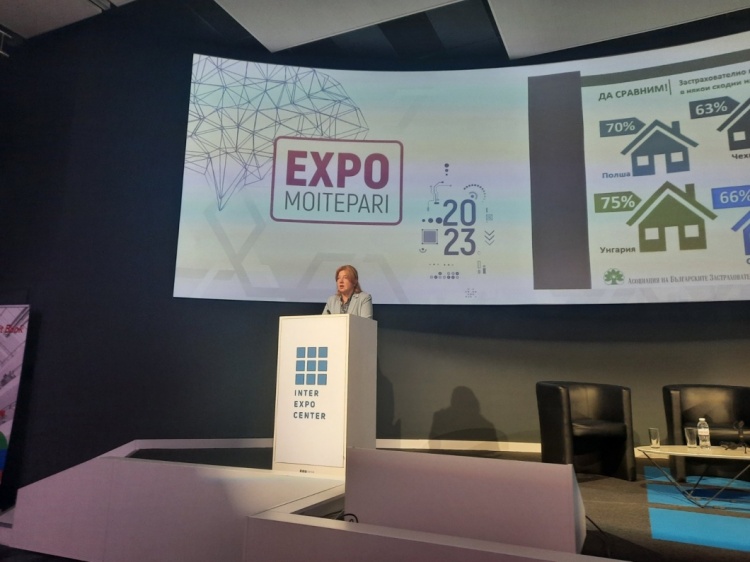
She presented data on property insurance penetration in countries with similar economic development. With 10% of insured properties, Bulgaria ranks last among the nine countries surveyed. Hungary leads with 75% insured properties, followed by Poland (70%), Slovenia (66%), the Czech Republic (63%), Croatia (25%), Romania (20%), Greece (15%), and Turkey (14%).
The low level of protection poses a serious social problem, Kolchakova noted, and outlined the reasons behind the unfavourable situation, drawing on data from ABZ’s 2020 nationally representative survey. One reason is the persistence of “myths” about insurance in the public mindset. One such myth is that “the state is obligated to restore private properties damaged in disasters”—over 20% of people believe this. “It’s good that people trust the state, but it cannot compensate everyone who has lost property in full. That is not the state’s function—it is the role of insurers,” Kolchakova stated. Another myth is that insurance is “expensive”—46% of people believe they cannot afford insurance, and for 79%, price is the leading factor when choosing a policy. People also refrain from buying insurance because they believe “insurers don’t pay”—a concern cited by 33% of respondents. In reality, only 5% of people with insurance reported payment issues, and these were mostly due to misunderstandings of the policy terms. Consumer awareness is key to insurance usage, and the data clearly highlight the problem: 54% of people do not purchase policies because they do not understand them.
In the subsequent discussion, Konstantin Velev shared additional findings from the survey. While life and health are people’s most valued assets, they most commonly choose to insure their cars. His advice: “Every person should ask themselves what is most important to them and what are the most significant risks they face.” The answers to those questions would define the framework of the necessary insurance protection.
According to Velev, the increasing number of natural disasters in Bulgaria does not lead to increased demand for property insurance, unlike in countries like the Czech Republic and Croatia. A spike in interest is seen immediately after a major event, but the market soon returns to its usual levels. “Instead of relying on the state, everyone should take responsibility for themselves, their loved ones, and their property,” Velev urged.
Regarding the introduction of artificial intelligence in insurance, Velev noted that although the sector is traditionally conservative, the trend is accelerating. The pandemic significantly boosted the adoption of digital technologies in insurance—not just in customer communication but also in various other aspects of the business.
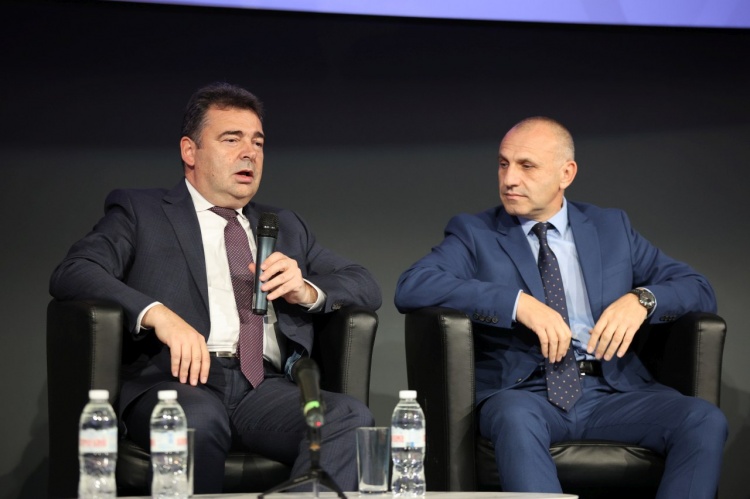
Veselin Angelov continued the discussion on consumer decision-making in insurance, stressing that price should not be the main factor, as it often is. “When buying other goods and services, we don’t necessarily choose the cheapest—we look for what best meets our needs. The same should apply to insurance products. First, we must assess the risks we want protection from and determine the sum that would meet our needs if the risk materialized.” He added: “It’s not logical to own a property worth BGN 200,000 and insure it for only BGN 20,000. That amount wouldn’t be enough to restore the property if it were destroyed by a covered event.” Angelov highlighted that insurance products are very accessible—not only in terms of price but also in terms of availability and variety of sales channels.
Veselin Angelov emphasized that life insurance should be the foundation of everyone’s insurance protection. “A person is the source of their own wealth, and the greatest risk is losing the ability to work and generate income—whether due to death or disability.” Unfortunately, life insurance penetration in Bulgaria remains low—around 2%—primarily due to requirements in bank lending. In recent years, premium income from investment-linked life insurance has grown significantly, as these products offered a natural savings alternative during periods of low interest rates. Interest in them remains strong, as consumers are drawn by the combination of protection and attractive investment opportunities.
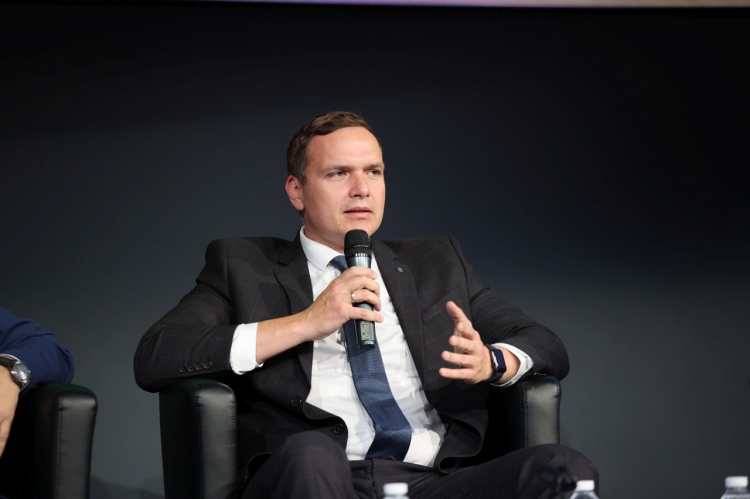
Regarding the low property insurance penetration, Prof. Dr. Stoyan Prodanov remarked: “If I were the finance minister, I’d be seriously concerned that so many assets in the country are unprotected.” As natural disasters increase, the only rational approach is to address the problem in advance and develop workable solutions. These could include a national insurance pool like in Turkey or the introduction of mandatory property insurance as expected in Albania. According to Prof. Prodanov, there is trust in the insurance sector, evidenced by the market’s steady growth. He noted a direct link between prosperity and insurance penetration, suggesting that as household incomes rise, insurance consumption will likely increase as well.
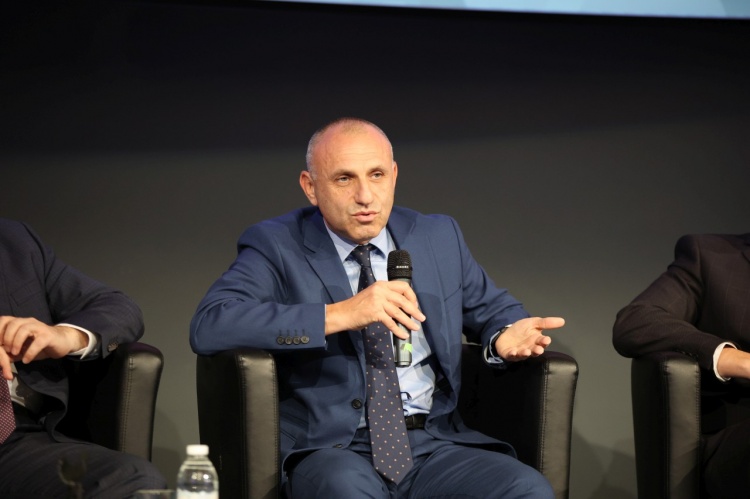
All discussion participants agreed that active communication with consumers and improved awareness are crucial. People with higher insurance literacy not only use more insurance but also a wider variety of products. Expanding this group of consumers would positively impact the overall level of societal protection.
-370x270-1.png "News image")









-370x270-1.png "News image")