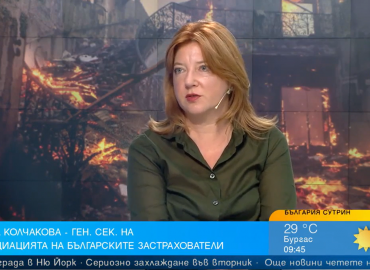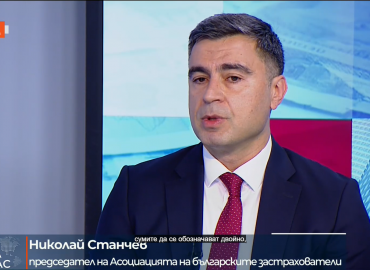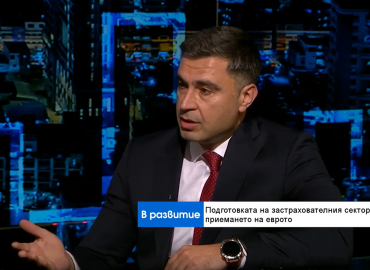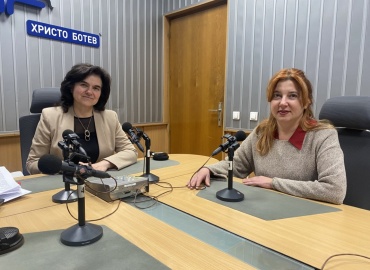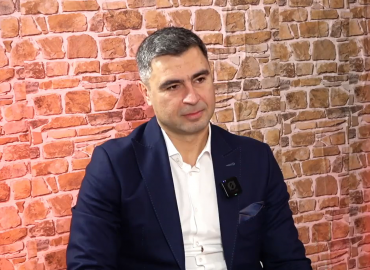


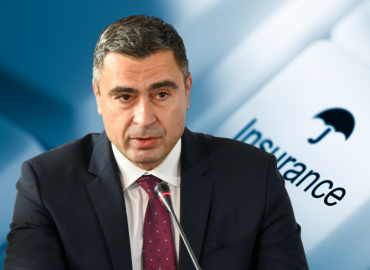
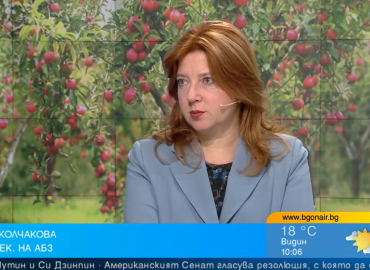
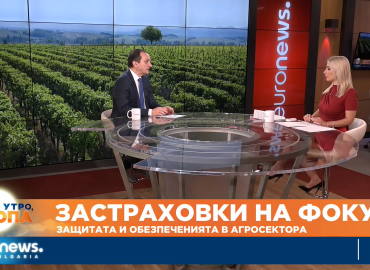
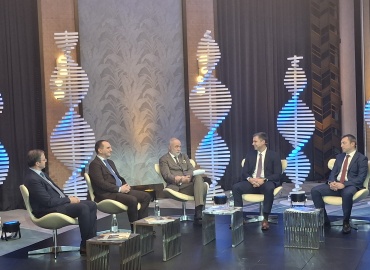
Climate-related losses are posing increasingly serious challenges for Bulgarian agriculture, while insurance remains underutilised among agricultural producers. This was stated by Kosta Cholakov, representative of the Association of Bulgarian Insurers (ABZ) and Chief Executive Officer of DZI, during the Good Morning, Europe programme on Euronews Bulgaria. Although farmers are adapting to climate change, “part of that preparation is taking out insurance,” as natural disasters such as hailstorms and floods are becoming increasingly frequent.
Kosta Cholakov pointed out that only a small share of agricultural land in Bulgaria is insured, although there has been a positive trend as a result of increased premium subsidies provided through the State Fund Agriculture. According to him, there are various reasons for the low level of insurance uptake, ranging from insufficient awareness to a mismatch between farmers’ expectations and the actual scope of insurance coverage. “Perhaps we are not explaining the terms and conditions of our products clearly enough,” he acknowledged, adding that closer cooperation between the state, the insurance sector and agricultural producers is needed.
The main risks covered by standard agricultural insurance policies include hail, fire and floods. Depending on the type of crop and the growing season, frost and spring frost may also be covered. Each producer can choose the combination of cover that best meets their needs. The most significant challenge remains drought risk, which is currently not covered in Bulgaria. However, Kosta Cholakov noted that there are examples of public-private partnership schemes in other European countries that could serve as a model. He explained that premiums generally range between 2% and 6% of the expected value of the crop, while claim payouts are calculated on the basis of production cost rather than market value.
Disappointment among farmers sometimes occurs, most often because policy terms and conditions have not been explained clearly enough at the time the policy is concluded, resulting in differing expectations. Where a particular risk—for example, hail—is included in the policy and the insured event occurs, compensation is paid. Issues may arise mainly due to inaccurate identification of insured land parcels, and there should be no discrepancies between the information held by the State Fund Agriculture and that provided to the insurer.
“Insurance is a contract, and as with any contract, if the terms and conditions are not properly understood, expectations may differ,” Kosta Cholakov said. He recommended that customers consult professional insurance intermediaries before purchasing a policy. However, he noted that people often read the policy terms only after a loss has occurred.
In the event of a loss, farmers should notify their insurer and arrange for an inspection of the damaged crops as quickly as possible. Insurers also use various technical tools when assessing losses, particularly on larger agricultural areas, including drones and satellite imagery. Kosta Cholakov advised policyholders to comply with the policy terms and conditions and follow the instructions of the loss adjusters and the insurer. Claim payouts are made within 15 days after all required documentation has been submitted.
According to Kosta Cholakov, the future of agricultural insurance lies in stronger public-private partnerships and more effective measures to prevent climate-related losses. He recalled a proposal to establish a common mechanism for financing anti-hail protection, including the purchase of specialised equipment and aircraft. “It is not appropriate for the state to step in after every natural disaster and compensate everyone,” Kosta Cholakov said, calling for greater financial literacy and wider use of voluntary agricultural insurance.




-370x270-3.png "News image")






-370x270-1.png "News image")






































 (002)-370x270-2.jpg "News image")