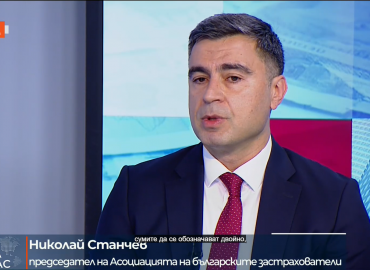
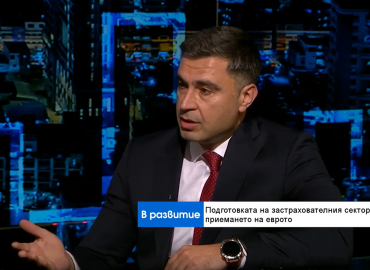
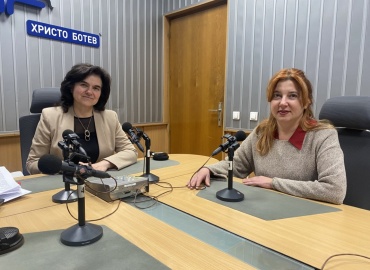
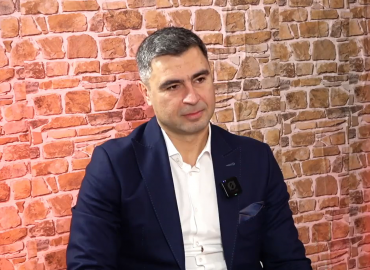
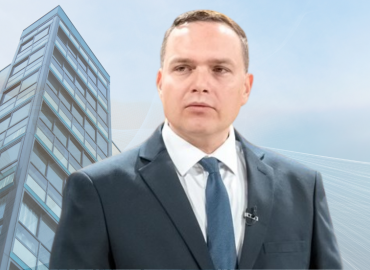
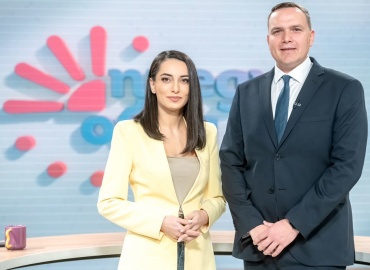
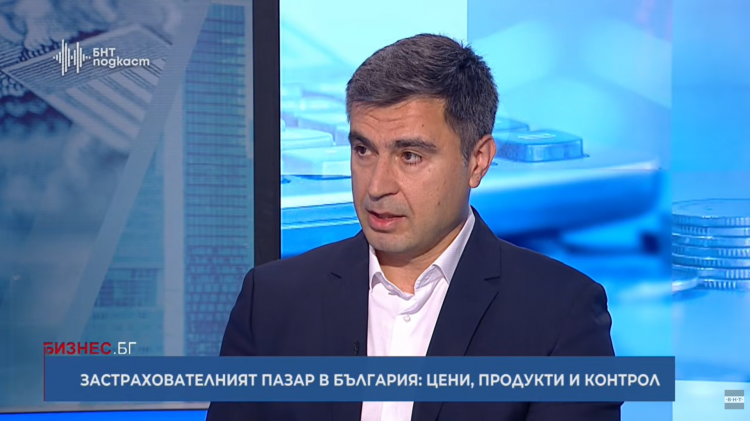
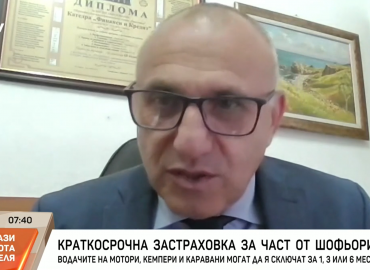
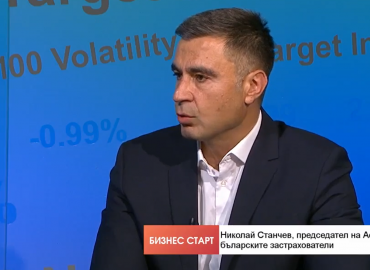
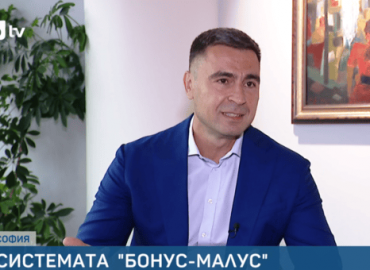
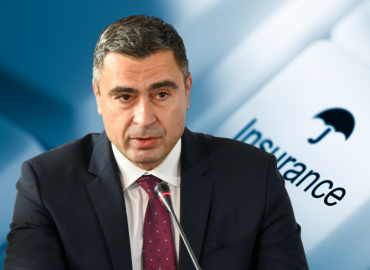
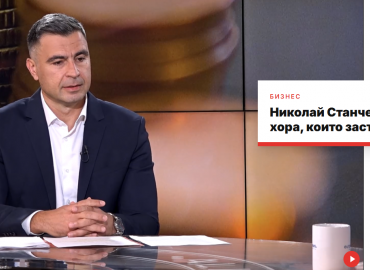
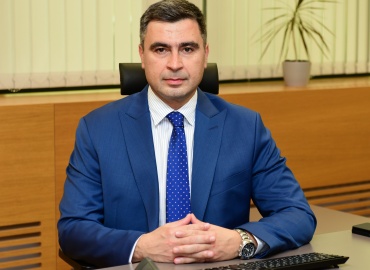
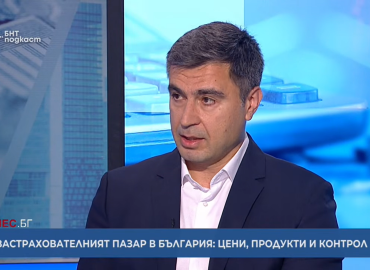
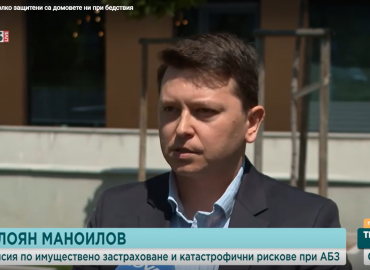
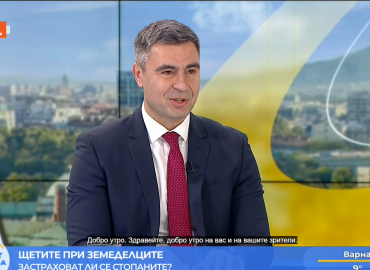
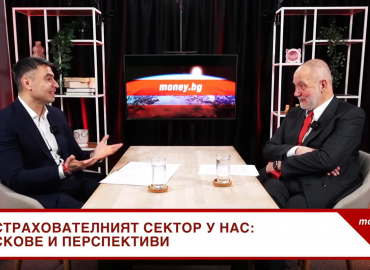
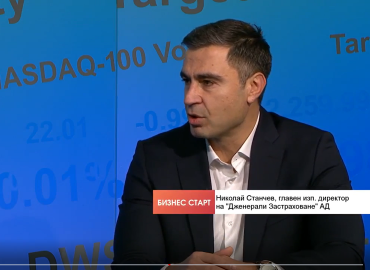
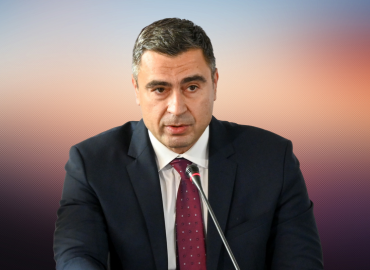
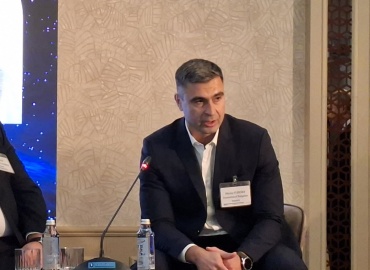
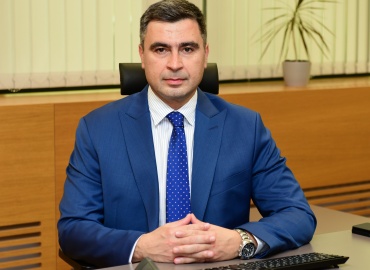
The challenges facing the insurance sector, the development of voluntary insurance and the need to improve consumers' financial awareness were among the main topics discussed by Nikolay Stanchev, Chair of the Association of Bulgarian Insurers (ABZ), in an interview for the Business.bg programme on the Bulgarian National Television (BNT).
Commenting on the recent withdrawal of the licence of DallBogg: Life and Health Insurance Company, Nikolay Stanchev described it as one of the most serious cases the Bulgarian insurance sector has faced and noted that it had inevitably affected the sector's reputation. He stressed that the timely actions of the Financial Supervision Commission (FSC) had prevented much more serious consequences both for consumers and for market stability. He also recalled that the company had not been admitted as a member of the Association of Bulgarian Insurers (ABZ) due to publicly known concerns regarding its market practices.
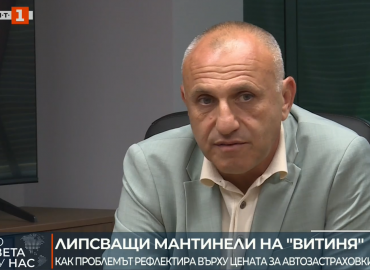
“Motor Third Party Liability (MTPL) insurance is one of the most complex and demanding lines of business, where accurate risk assessment and adequate pricing are essential to ensuring that obligations to injured parties can be met,” Nikolay Stanchev said. He pointed out that MTPL is also one of the most competitive insurance markets in Bulgaria, with 17 insurers offering this type of cover, which helps keep premiums at relatively low levels. Market data show that over the past five years the average MTPL premium has increased by only 6.5%, compared with cumulative inflation of around 42% and substantially higher growth in the main cost components affecting claim payouts. For example, repair and labour costs have increased by more than 105%. The stronger price movements observed in certain market segments in recent months are also linked to the exit of DallBogg: Life and Health Insurance Company, which had offered policies below cost. Current pricing trends therefore represent a return to more sustainable market levels.
Nikolay Stanchev also highlighted a specific issue affecting MTPL insurance for motorcycles. According to FSC data, more than 80% of motorcyclists have failed to pay one or more instalments of their insurance premiums in recent years. As a result, insurers actually collected only around 30% of written premiums in 2023 and around 40% in 2024. He explained that this specific risk also influences risk assessment and pricing within this segment. Stanchev expressed support for discussions on introducing seasonal insurance for motorcyclists but noted that such policies should not automatically be expected to be significantly cheaper, as the majority of claims occur during the active riding season.
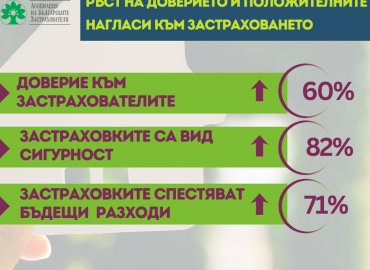
Another major topic of the interview was the longer-term development of the insurance market. Nikolay Stanchev presented the key findings of ABZ's latest nationally representative survey, which indicate a significant positive shift in public attitudes towards insurance. The share of people who regard insurance as a means of financial security has reached 82%, while trust in the insurance sector has increased to 60%, compared with 47% in 2020. The proportion of people using voluntary insurance products has also grown. At the same time, limited consumer awareness remains one of the main challenges. Nearly two-thirds of respondents believe that people do not understand insurance well enough, while more than half consider insurance policy terms and conditions difficult to understand.
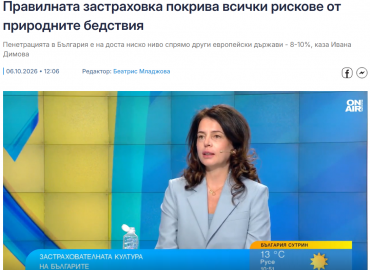
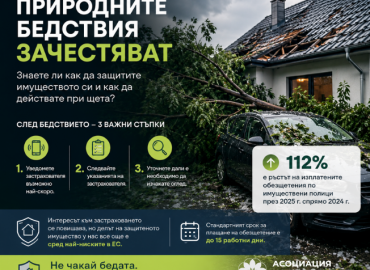
These positive developments are also reflected in market data showing growth across a number of voluntary insurance lines. Nikolay Stanchev identified property insurance as one of the most encouraging trends. Increasingly frequent natural disasters are gradually changing public attitudes, and more homeowners are recognising the need to protect their property. Nevertheless, Bulgaria continues to have one of the lowest levels of property insurance penetration in Europe, leaving significant potential for further market development. He emphasised that property insurance remains the most effective way to protect one's home, providing protection for one of every family's most valuable assets in return for a relatively modest annual premium.
A positive trend is also evident in health insurance. Nikolay Stanchev noted that this segment continues to develop steadily and that health insurance is increasingly valued as an employee benefit. Insurers could play an even more active role if their place and responsibilities within the healthcare system were more clearly defined. This would contribute to better oversight of healthcare quality and more efficient use of financial resources.
Nikolay Stanchev also discussed developments in agricultural insurance, where interest has increased significantly over the past two years. A key driver has been the premium subsidy scheme administered by the State Fund Agriculture, which covers up to 70% of insurance premiums and makes insurance more affordable for agricultural producers. At the same time, he pointed out that certain climate-related risks, such as drought and late spring frost, require public-private risk-sharing mechanisms, as they cannot be fully covered through conventional insurance alone.
Looking ahead, Nikolay Stanchev stressed that the further development of the insurance market is closely linked to improving consumers' financial awareness.
“According to our survey, 57% of people say that insurance policy terms and conditions are difficult to understand. This is also our responsibility as insurers—we need to do a better job of explaining what we offer and what protection insurance provides,” he said.
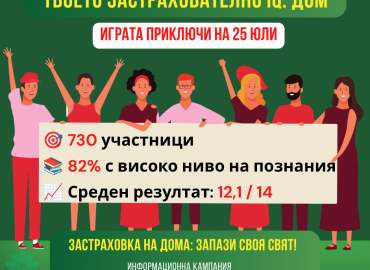
The insurance sector and ABZ are already making significant efforts in this direction through information campaigns. However, he concluded that meaningful change will take time and would be much more effective if it became a shared priority supported by both the insurance sector and public institutions.





-370x270-3.png "News image")





-370x270-1.png "News image")




















 (002)-370x270-2.jpg "News image")