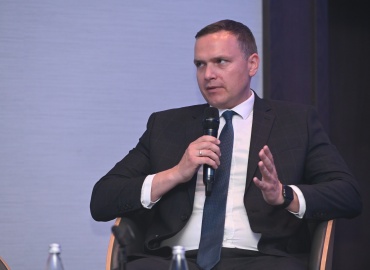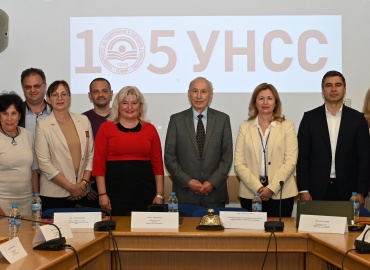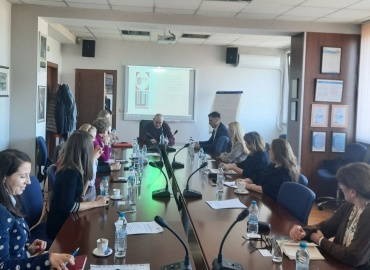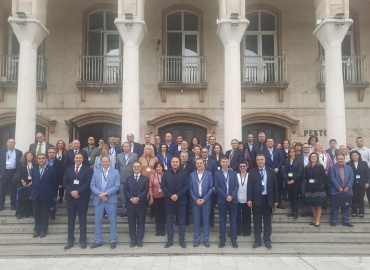


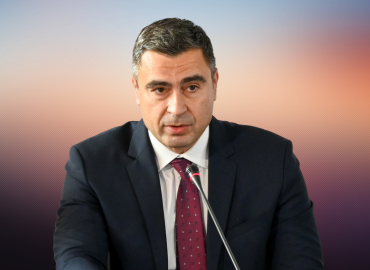
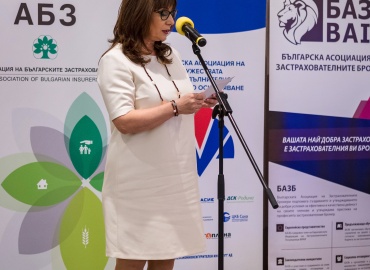
The insurance protection gap against natural disasters in Bulgaria and ways to address it were among the key issues raised by Nina Kolchakova, Director General of the Association of Bulgarian Insurers (ABZ), at a World Bank forum held in Sofia on 24 November 2026. The event marked the presentation of the World Bank Group’s Bulgaria Country Climate and Development Report (CCDR).
The report explores Bulgaria’s opportunities to achieve sustainable economic growth, strengthen competitiveness and enhance energy security while addressing growing climate risks. Key areas of focus include investment in climate adaptation, the mobilisation of public and private financing, and the use of risk transfer mechanisms, including insurance.
Nina Kolchakova took part in the panel discussion “Building Bulgaria’s Resilience to Climate Risks”, moderated by Holger Kray, Regional Director at the World Bank Group. The panel brought together representatives of the Ministry of Environment and Water, the Ministry of Agriculture and Food, the National Association of Municipalities in the Republic of Bulgaria and the Road Infrastructure Agency. Discussions covered water resource management, the modernisation of irrigation infrastructure, the adaptation of agricultural practices, infrastructure resilience and financing options for climate adaptation measures.
The insurance protection gap – a challenge to Bulgaria’s economic resilience
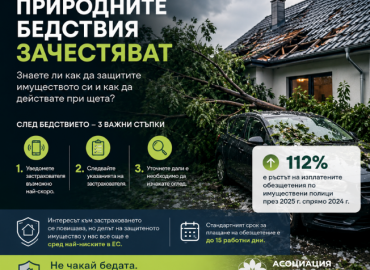
In her remarks, Nina Kolchakova highlighted that only around 6–10% of economic losses caused by natural disasters in Bulgaria are covered by insurance. As a result, households, businesses and public finances bear the bulk of the financial burden of recovery.
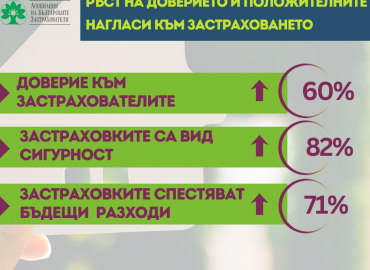
To illustrate the reasons behind low insurance uptake, she presented findings from ABZ’s latest nationally representative survey on attitudes towards property insurance. Among respondents without insurance, the most frequently cited reason was its perceived high cost (54%), followed by a lack of perceived need for insurance protection (44%) and insufficient knowledge and understanding of insurance products (41%).
Nina Kolchakova noted that the perception of insurance as expensive is often not based on knowledge of actual premiums. Another significant challenge is understanding the value of insurance protection itself: paying a premium is often seen as an unnecessary expense if no insured event occurs. Combined with an underestimation of risks, the “it won’t happen to me” mindset and a degree of distrust in insurance among some consumers, these factors highlight the need for targeted efforts to improve insurance literacy.
Another factor contributing to low insurance uptake is the widespread expectation of government assistance in the aftermath of natural disasters. Repeated announcements of state financial support for those affected by disasters reinforce these expectations and weaken incentives for individuals to protect themselves financially through insurance.
Raising awareness and encouraging insurance uptake
Over the past four years, ABZ has consistently carried out information and educational campaigns aimed at raising risk awareness and promoting a better understanding of the insurance protection available. Nina Kolchakova stressed the need for greater involvement of public institutions and other stakeholders in these efforts.
Alongside raising awareness, effective incentives to encourage insurance uptake are also needed. In this context, ABZ’s Director General pointed to the experience of other countries in introducing financial incentives, such as tax relief and subsidies for agricultural insurance premiums. Nina Kolchakova also noted that the prevailing view among insurers is that compulsory property insurance is not the optimal solution. Concerns relate to the administration and enforcement of such a system, as well as the risk of underinsurance where only minimum mandatory coverage is in place.
Expanding insurance coverage should be seen as part of a comprehensive approach to climate risk management. Alongside investment in prevention and adaptation, insurance plays a key role in providing financial resources for recovery after natural disasters, mitigating their economic impact and easing the financial pressure on public budgets.





-370x270-3.png "News image")

















-370x270-1.png "News image")





















































 (002)-370x270-2.jpg "News image")