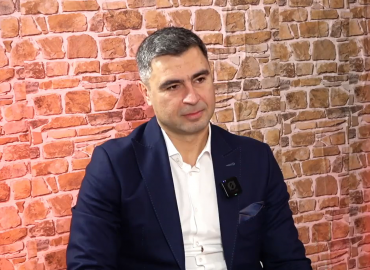


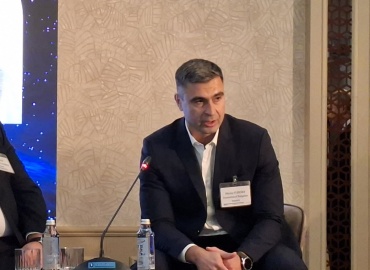
The Black Sea has been designated an area of extremely high risk since 16 September, with implications for every insurer providing coverage in the region, Plamen Shinov, Vice-Chairman of the Association of Bulgarian Insurers (ABZ) and Chairman of ABZ's Motor Insurance Committee, told Bulgarian National Radio (BNR).
It is difficult to predict how insurance pricing will develop, as this will depend on how the situation evolves. Shinov noted that the Joint War Committee had designated the area as extremely high risk before the latest incidents involving sunken vessels. These developments could lead to a further upward reassessment of war risk. Through reinsurance arrangements, changes in risk assessments are also reflected in the terms and pricing of policies offered to customers seeking war risk coverage. For the time being, the additional premium is around 10% of the standard insurance premium, Shinov said.
The state may seek reimbursement from shipowners for expenses incurred in connection with damaged vessels, including crew accommodation and the towing of damaged ships. Where such expenses are covered under the relevant insurance policy, the shipowner may be reimbursed by the insurer.
Shinov explained that crew-related risks are generally covered through a different type of insurance arrangement rather than conventional insurance companies. Almost all shipowners are members of so-called Protection and Indemnity (P&I) Clubs. These are mutual insurance associations that provide cover for third-party liabilities, including liabilities arising from crew injury or death. Conventional insurers are rarely directly involved in providing this type of cover. P&I Clubs cover expenses relating to rescue operations, medical treatment and accommodation for those affected, subject to the applicable terms and conditions.
In such cases, the state may be considered an affected third party and may seek recovery of its expenses, including costs arising from environmental damage. Maritime law also imposes mandatory insurance requirements on vessels navigating through territorial waters.
“Every insurance policy specifies what is covered and what is excluded, and there are circumstances in which an insurer may decline a claim. The range of policies and available coverages is extensive,” Shinov said.
Specific clauses may also provide cover for the risk of vessel abandonment. When a loss occurs, the insurer investigates its cause to determine whether the claim falls within the policy's scope of cover and to substantiate its decision either to pay compensation or to decline the claim. Establishing the precise cause of a vessel's sinking is therefore essential to the claims assessment process.
“Insurers make their decisions on the basis of documentary evidence. In this case, it does not matter which country launched the bombs; compensation is paid to the commercial company that owns the vessels,” Shinov said.



-370x270-3.png "News image")









-370x270-1.png "News image")














































 (002)-370x270-2.jpg "News image")