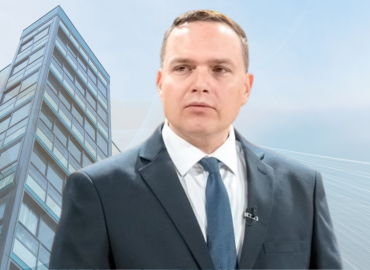

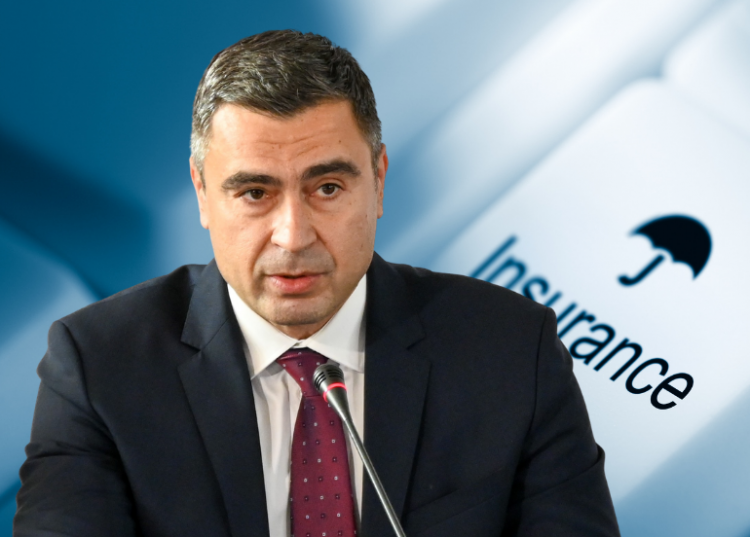
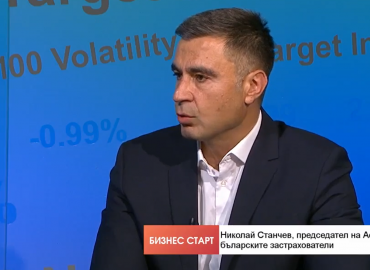
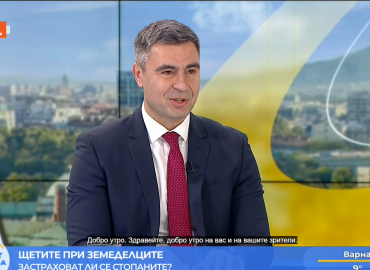
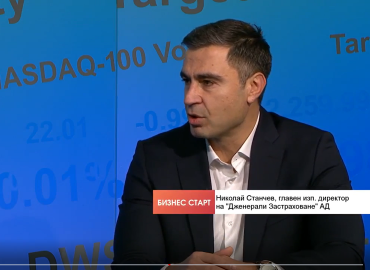
Insurance remains very affordable, and for many of them there isn’t significant change in prices, told the Bulgarian News Agency (BTA) Nikolay Stanchev, Chairman of the Board of the Bulgarian Association of Insurers (ABZ), who commented on the situation in the industry this year and current topics in the field of insurance.
Stanchev gave the example that a quality insurance policy for an average apartment usually costs between 60 and 100 euro per year – approximately the cost of a dinner out with the family.
There has also been no unusual increase in the price of Motor Third-party Liability insurance (MTPL). “If we look at a longer period, we will see that the average market price today is comparable to that in 2021. Over the past five years, it has increased by about 6.5%, while inflation is around 42%, and repair and labor costs have risen by more than 105%. In recent months, there has indeed been some movement in prices for certain categories of vehicles. This is largely a natural market reaction following the exit of an insurer that had been offering policies at below-cost prices for years” Stanchev pointed out.
When talking about the price of MTPL insurance, we must not forget what its main purpose is – to guarantee protection for people injured in road accidents. Therefore, it is important that the policy remains affordable but also provides the necessary financial resources to pay out claims, he emphasized.
On the topic of “seasonal” insurance, Stanchev commented that there are probably expectations that the price is directly related to the insurance period – for example, if it is for six months, it should cost half the annual price. However, he reminded that in insurance, the premium is not determined solely by the coverage period, but also by the risk. “For example, with motorcycles, the months in which they are actively used are precisely those with the highest risk of road accidents. Therefore, it is not realistic for the price of a seasonal policy to be determined solely proportionally to the number of months” he said.
That is why the topic of seasonality is somewhat more complex than it seems at first glance. On the one hand, there are vehicles such as motorcycles, which are usually used only part of the year, and it is perfectly understandable that their owners are looking for more flexible solutions. On the other hand, current legislation requires every registered motor vehicle to have valid MTPL insurance throughout its registration period.
Therefore, if “seasonal” insurance is introduced, there must be a clear mechanism for what happens after the seasonal policy expires – whether the vehicle’s registration will be temporarily suspended and it will not be allowed on the road, or a new insurance policy will be concluded, Stanchev explained. These practical issues are currently being discussed in a working group with the participation of motorcyclists, institutions, and the Bulgarian Association of Insurers. The goal is to find a workable solution that meets consumer expectations while ensuring that there are no registered vehicles without compulsory insurance protection.
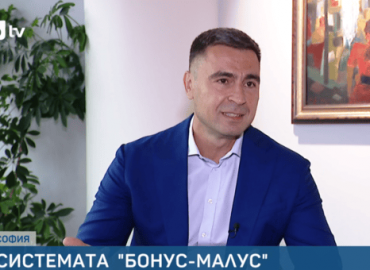
The introduction of the “bonus-malus” system, which links the price of MTPL insurance to the driver’s behavior on the road, is in its final stages. With the adoption of two regulations governing the functioning of the system, the Guarantee Fund and insurers will adapt their information systems. If everything proceeds normally, it is entirely realistic for the system to begin functioning at the beginning of 2027, Nikolay Stanchev announced.
Insurers already use the “bonus-malus” principle when assessing risk. The difference is that until now, each company only had information about its own clients. The new system will allow this information to be shared among all insurers. Thus, if you have caused damage, it will be taken into account, regardless of whether you decide to change your insurer, he explained.
Ultimately, this will make the system fairer. Drivers with a good insurance history will be able to receive better terms, while those who more frequently cause damage will pay a higher premium. This is the main idea of the system – for the insurance price to more accurately reflect the actual risk.
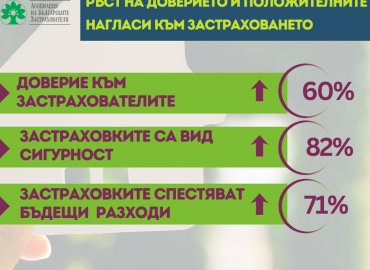
In recent years, insurers have observed an increasingly clear trend of growing interest in voluntary insurance protection. Although motor insurance continues to account for about 70% of the general insurance market, the faster growth of property, health, and other types of voluntary insurance is gradually leading to a more balanced market structure. This trend is also confirmed by the results of a national survey conducted in May – the share of people who have or have had one of the main voluntary insurance policies has almost doubled over the past six years.
“Even more indicative is that the share of people who insure only due to legal or contractual obligation has decreased from 59% in 2020 to 32% in 2026. This means that more and more people are choosing voluntary insurance protection because they see real benefits for themselves and their families, not just because they are obliged to” noted Nikolay Stanchev.
Despite this positive trend, the level of use of voluntary insurance in our country remains lower compared to most European countries. This, according to the industry, outlines the significant potential for market development. If the change in attitudes continues, and people receive more information and better understand the opportunities that insurance provides, more and more of them will perceive it as a natural tool for protecting their property, health, and financial security, the association’s chairman pointed out.
He emphasized that one should not wait for the risk to become personal before taking action, and the best solution is to take out insurance before the adverse event occurs.
Data from the Financial Supervision Commission show that in 2025, property insurance was among the fastest-growing segments of the market, with growth of over 24%, and the national representative survey on attitudes toward insurance reports that the share of people who have or have had property insurance increased from 16% in 2020 to 31% in 2026, or almost double.
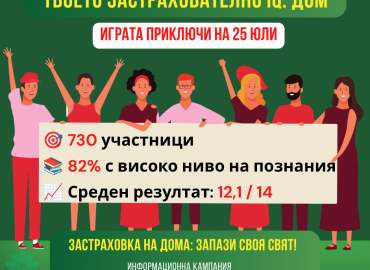
The main driver of this change is the increasing frequency of natural disasters. More and more people are realizing that they can lead to serious financial losses, and insurance is the most effective way to deal with the consequences. “I believe that the active information campaigns that the ABZ has been conducting in recent years have also contributed. We see that when people receive more practical information about the risks and how property insurance works, they are much more likely to decide to protect their home,” he added.
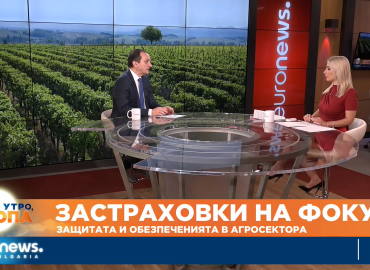
A positive trend is also observed in agricultural insurance, which is also due to improved conditions for co-financing premiums – up to 70%, through the State Fund “Agriculture,” as well as a simplified administrative process. However, part of the funds under the scheme remain unused. Nikolay Stanchev advised agricultural producers to take advantage of this opportunity because having insurance can be the decisive factor in whether the farm will survive if a severe natural disaster occurs.
Health insurance is also developing dynamically, the association’s chairman further noted. Premium revenue increased by about 23% in 2025, but this was mainly driven by medical inflation, i.e., increased costs for medical services.
“In our country, these policies are mainly concluded by employers on behalf of their employees and have become one of the most valued social benefits. According to our data, about 600 000 people benefit from this type of insurance. Insurers could participate even more actively in this market if our place in the healthcare system were more clearly regulated. This would ensure better control over the quality of medical services and more efficient management of funds” noted Nikolay Stanchev.


-370x270-3.png "News image")






-370x270-1.png "News image")

























 (002)-370x270-2.jpg "News image")